The Cambridge Curriculum
The Cambridge curriculum is intentionally integrated both vertically across grades and horizontally between subject disciplines.
As students get older, scaffolded concepts are built upon and nuanced while we work against a compartmentalized view of truth. Students daily engage with a host of interconnected ideas across the curriculum to prepare them for the complexity of discourse beyond the walls of our school.
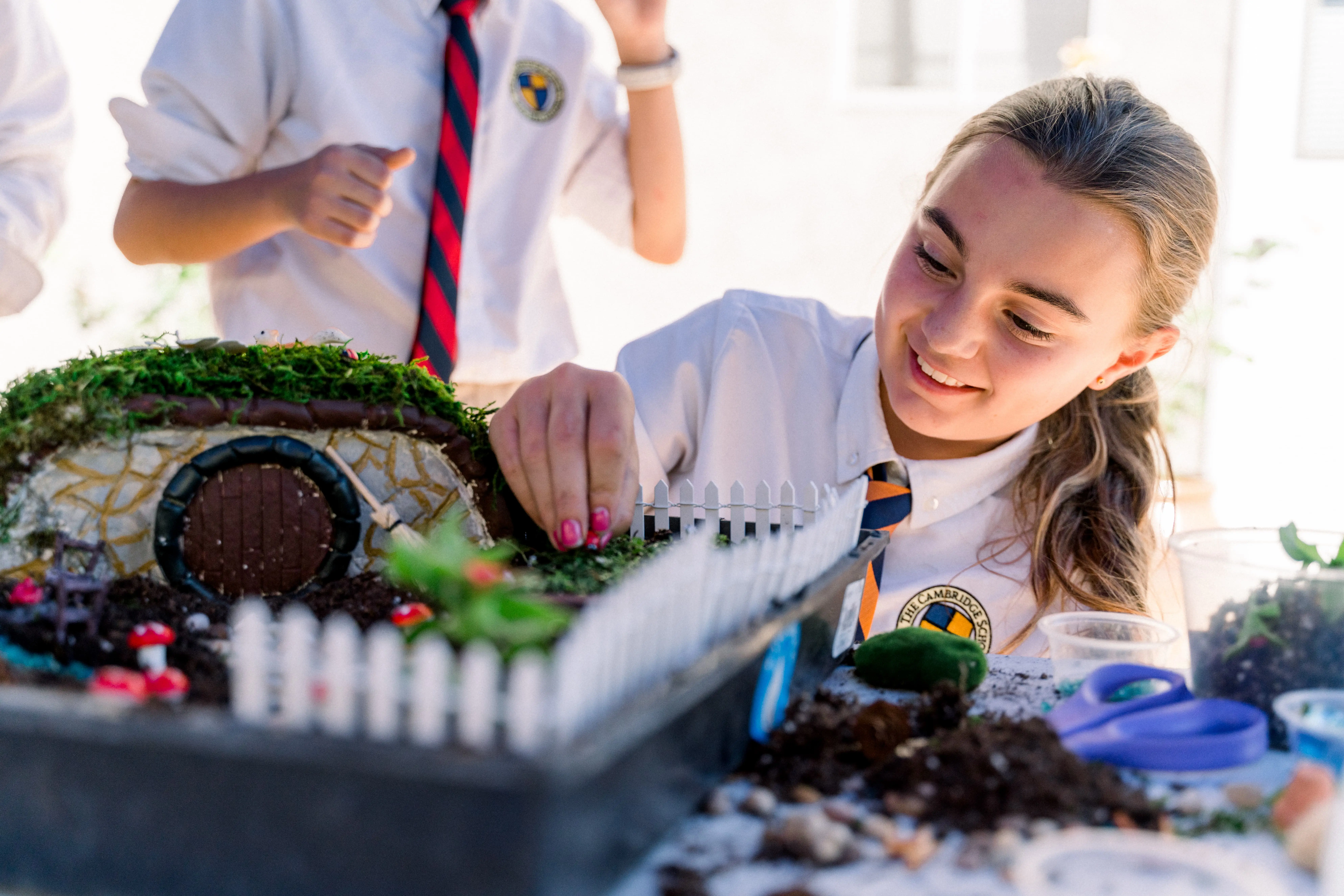
Student Culture
While most schools are highly age-stratified, our Upper School in particular intentionally fosters friendships across grades through House, Advisory, and shared experiences that build a cohesive and supportive student culture — one where mentorship, camaraderie, and mutual respect flourish across age levels. This approach to integration is an outworking of our commitments to classical pedagogy and Christian thought.
Across Grades
Beyond the traditional curriculum, Cambridge endeavors to create meaningful mentorship opportunities for students across grade levels and foster the relationship they have with their teachers. The house system is a unique opportunity to foster healthy community and competition amongst the upper school students. In addition, upper school students volunteer in the grammar school classrooms and participate in peer tutoring programs.
Classical and Christian
This approach reflects the intentional blending of classical teaching methods with Christian principles.
History as the Backbone
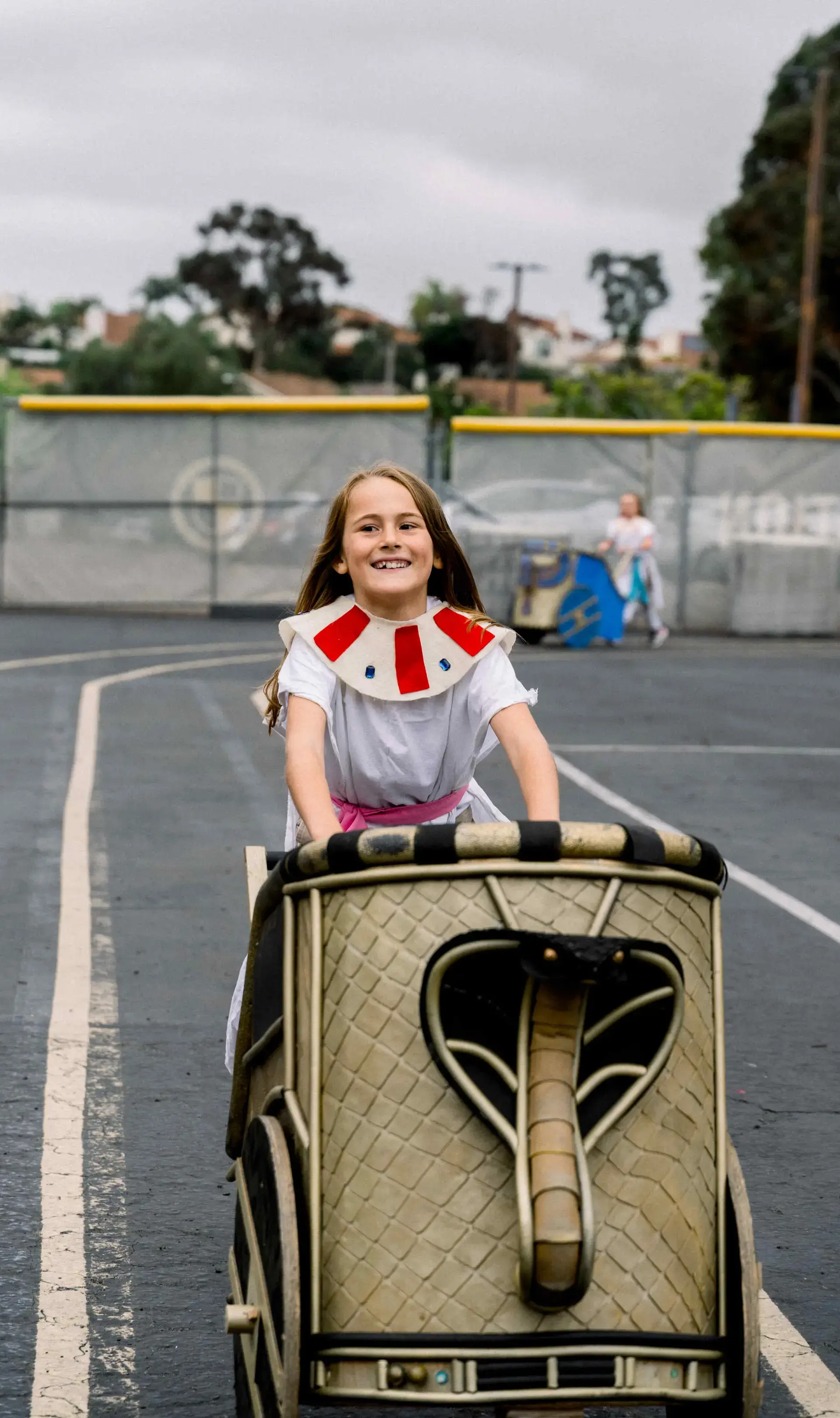
A Cambridge education uses history – from ancients to moderns – as its organizing theme.
For example:
-
Students studying ancient Greece in their history class will also read Homer's Iliad in literature class.
-
Art class might focus on drawing perspective using examples of classical Greek architecture.
-
Related math and science topics could include a discussion of prolific Greek mathematician Archimedes’ inventions.
-
While history is the backbone of a classical education, no core subject is neglected.
The Cambridge Community
Cambridge is dedicated to nurturing genuine connections that span our entire community. This commitment shapes every aspect of our admission process, hiring practices, and classroom experience.
Cambridge thoughtfully welcomes families who embrace our school’s mission and values. This intentional approach preserves the essence of our educational philosophy while preparing students to achieve the meaningful outcomes we envision for graduates. Our teachers engage as vibrant members of the school community, embodying our shared mission through their meaningful interactions with students beyond classroom walls and their authentic partnerships with parents.
Through intentional structures like House, Advisory, and peer tutoring students of all grades are invited into a broader community of friendship and formation.