

- Home
VIGOROUS
ACADEMICSANDCHARACTER
FORMATION
Vigorous Academics
At The Cambridge School, academic excellence begins with wonder and ends in wisdom. Our curriculum challenges students not for the sake of performance, but to cultivate disciplined habits of mind and a deep love for learning. Through close reading, thoughtful inquiry, and sustained engagement with great works, students grow in intellectual virtue — learning not only what to think, but how to think clearly, critically, and charitably in pursuit of truth.
Masterful Instructors
Our teachers are masters of their disciplines and mentors in virtue. They guide students not only toward knowledge, but toward understanding — modeling a lifelong love of learning.
Hear from our Upper School Principal about the role of a teacher:
Knowledge-Rich Curriculum
Students are immersed in ideas that have shaped the world. Our content is intentionally challenging and rooted in enduring works, not driven by trends.
Moral Imagination
The capacity to envision and empathize with ethical situations.
Character Formation
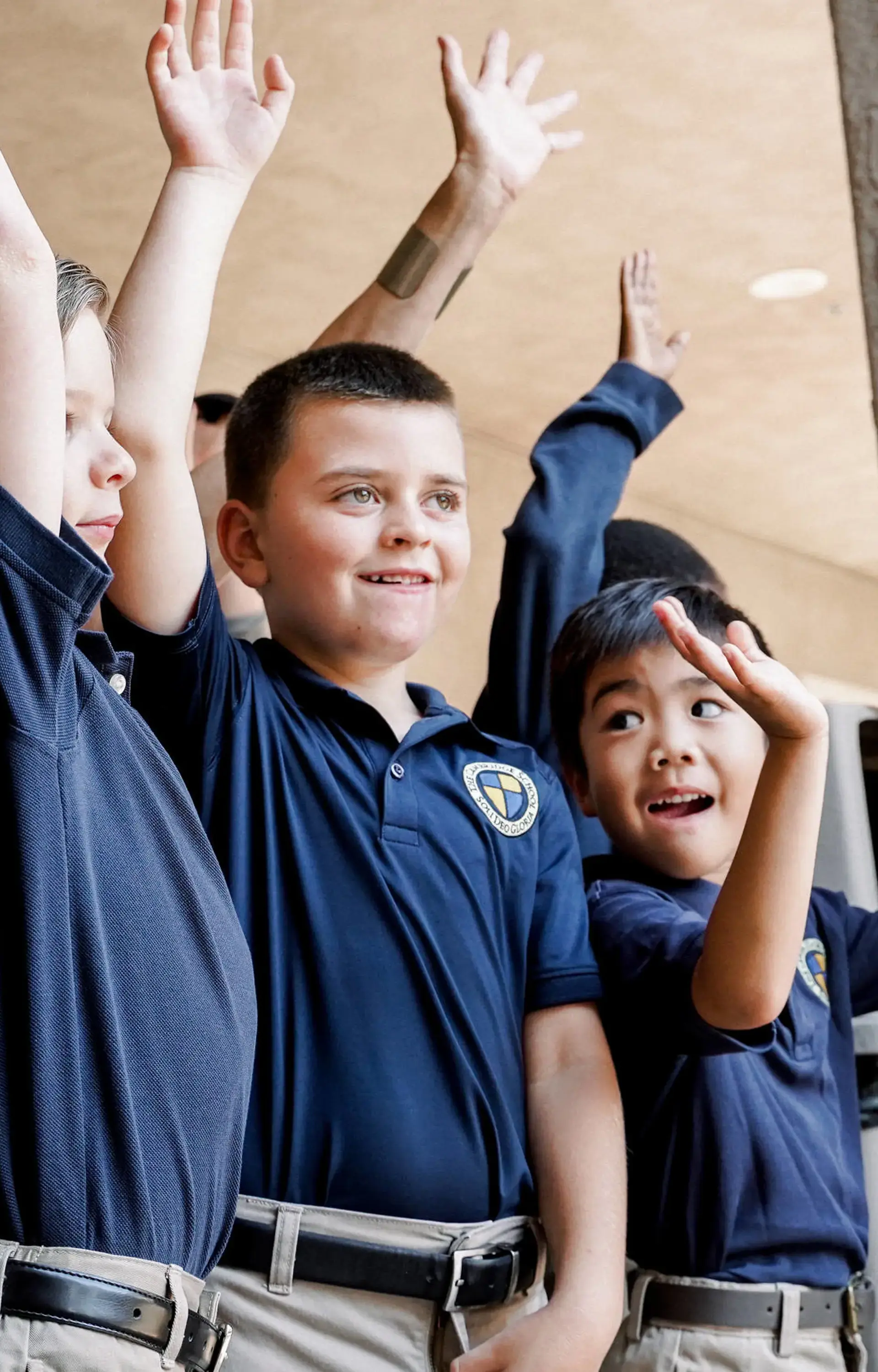
At The Cambridge School, we aim to shape not only how students think, but who they become. Character is cultivated through the daily habits of the classroom, through teachers who know and love the Lord, and through a culture that prizes humility, courage, perseverance, and hope. Rooted in the Gospel, students are taught to love what is good, serve their neighbor, and live lives marked by integrity, responsibility, and grace.
Virtue and Habit
Students are taught that learning is inseparable from character. Through the daily work of the classroom, they grow in patience, humility, courage, and perseverance — virtues essential to wise living and faithful presence in the world.
Intellectual Virtue
True rigor is not merely academic — it is formative. Students are taught to think with clarity, ask meaningful questions, and approach learning with both humility and discipline.
Ministerium
Service at Cambridge is not extracurricular. It flows from a gospel posture — training students to see others clearly, respond compassionately, and live responsibly.
HUMANITIESANDSCIENCES
Humanities
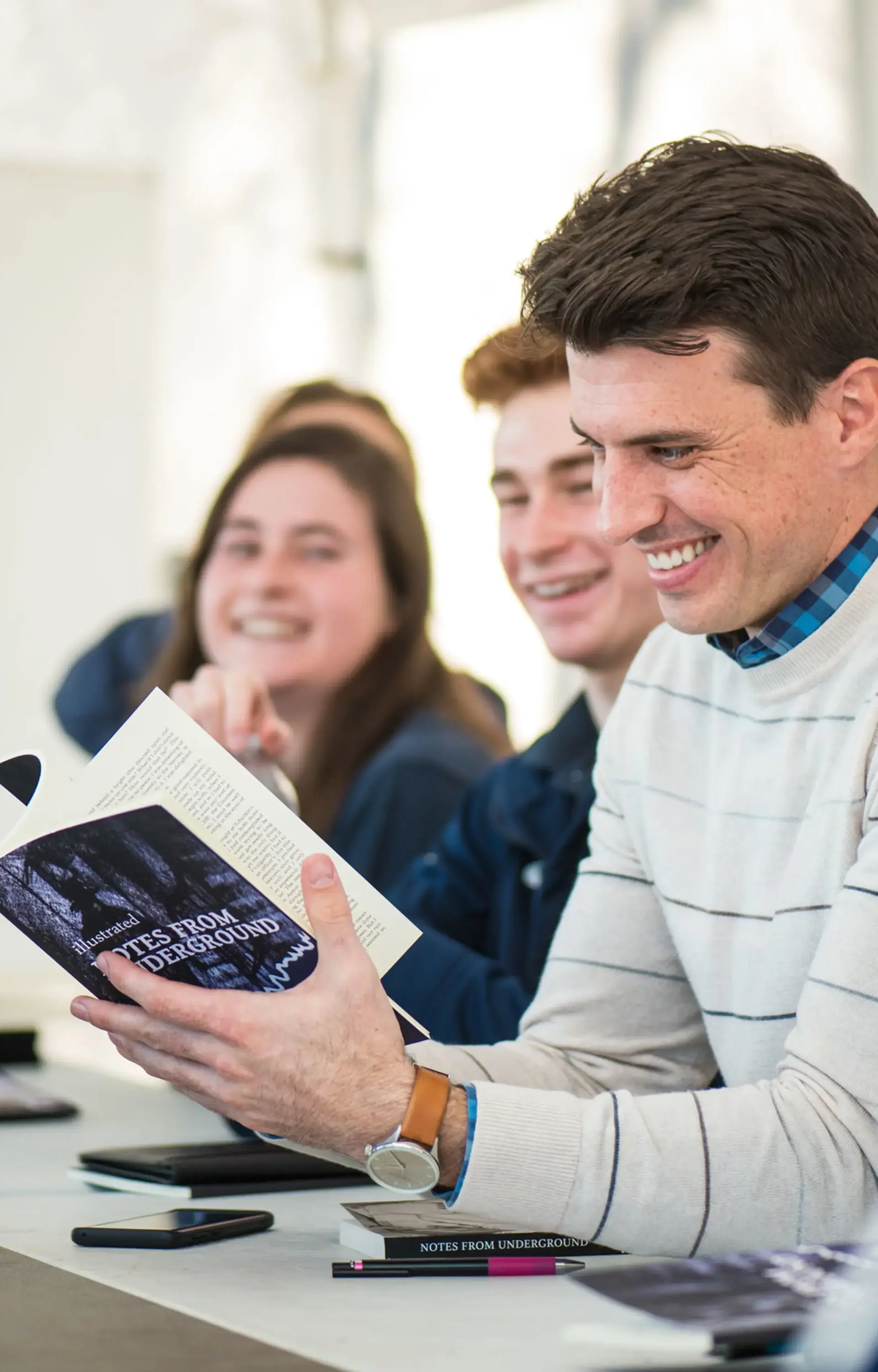
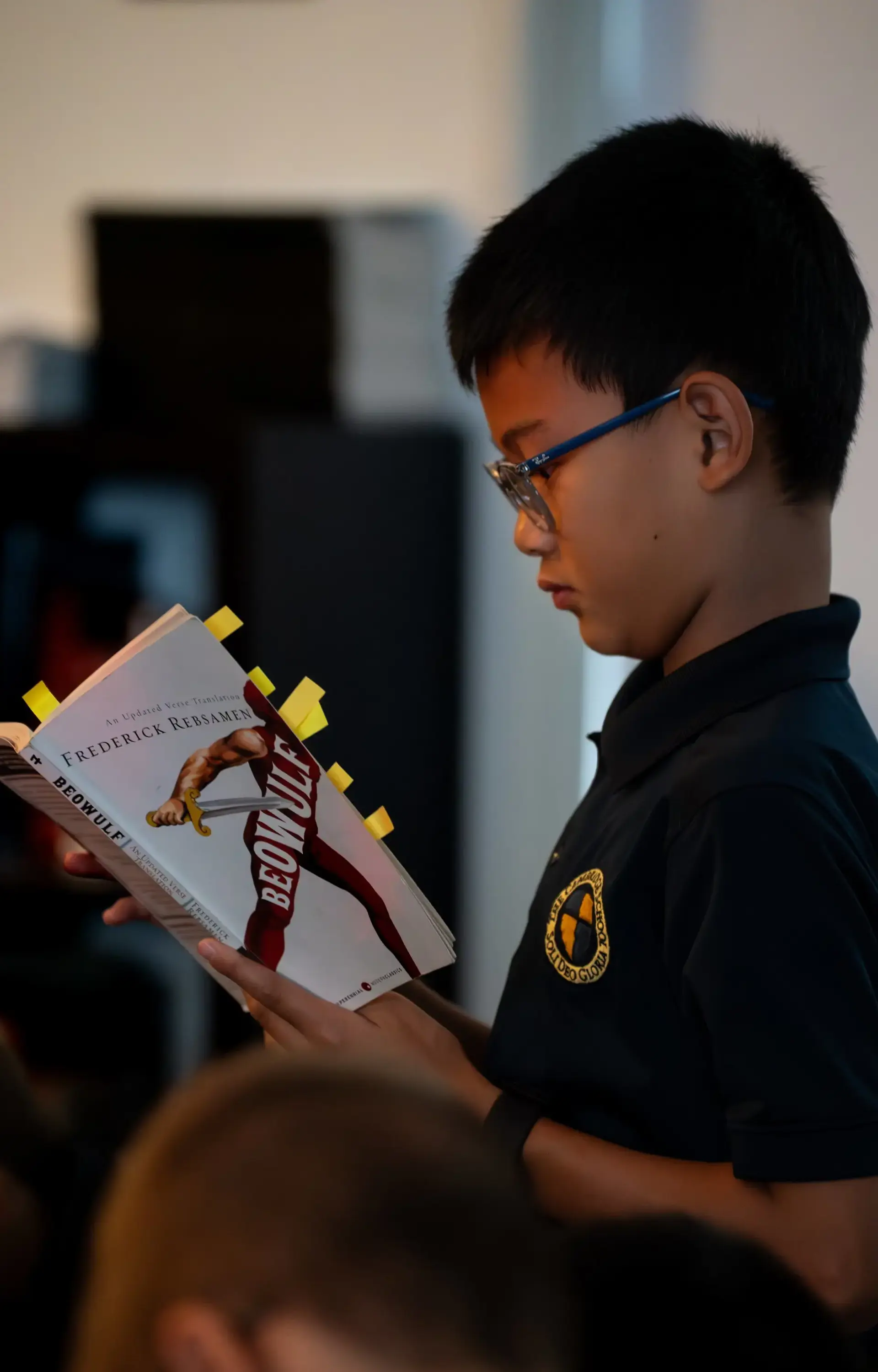
The humanities at The Cambridge School are rooted in a commitment to language, story, and the moral imagination. Our classrooms are language-rich and word-centered. Students read widely and closely — from Homer to Douglass — and learn to listen, reason, and speak with clarity and grace. Through the study of literature, history, theology, and philosophy, students grow in understanding, judgment, and a deep love for what is true, good, and beautiful.
Language-Based Classrooms
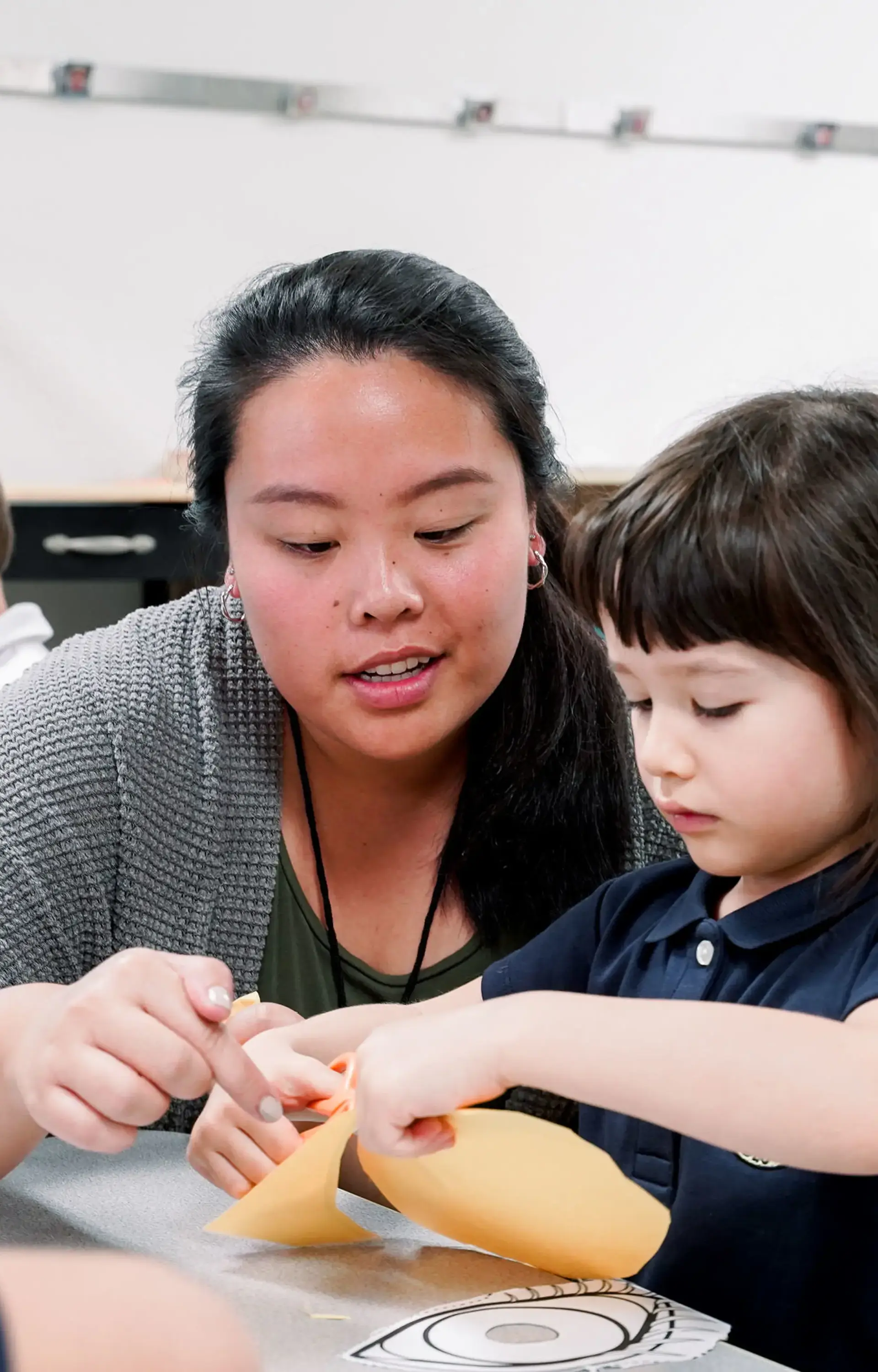
Our classrooms are alive with reading, speech, and writing. Students are trained to read closely, speak thoughtfully, and write with clarity in response to enduring texts and timeless questions.
Great Works
Through sustained engagement with great works students enter the great conversation — learning not only to interpret, but to inhabit the ideas that have shaped civilization.
Historically Integrated
History provides the backbone of our curriculum, giving students the opportunity to encounter the great works, ideas, and events of each era as interconnected expressions of a particular time and place.
Sciences
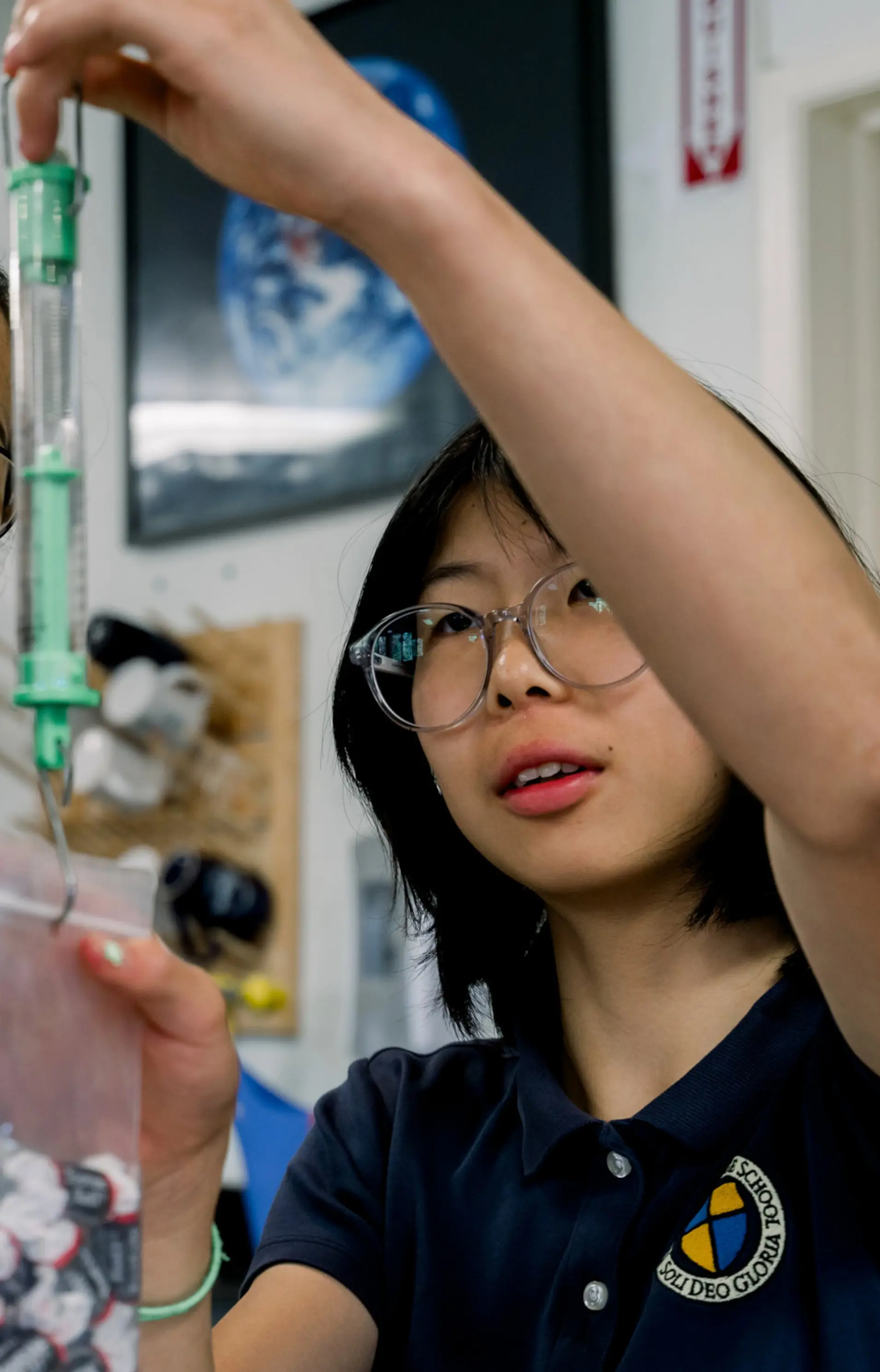
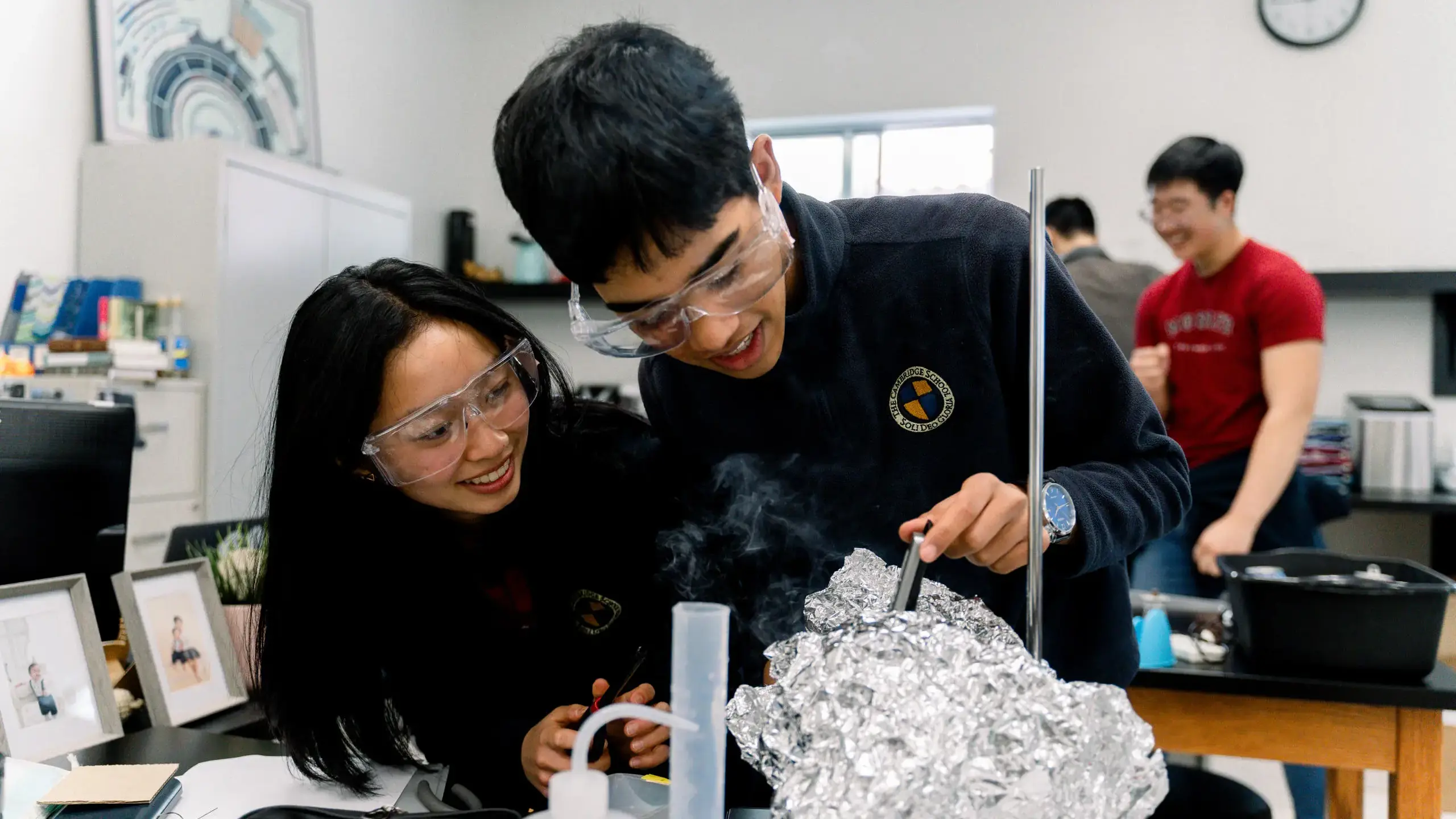
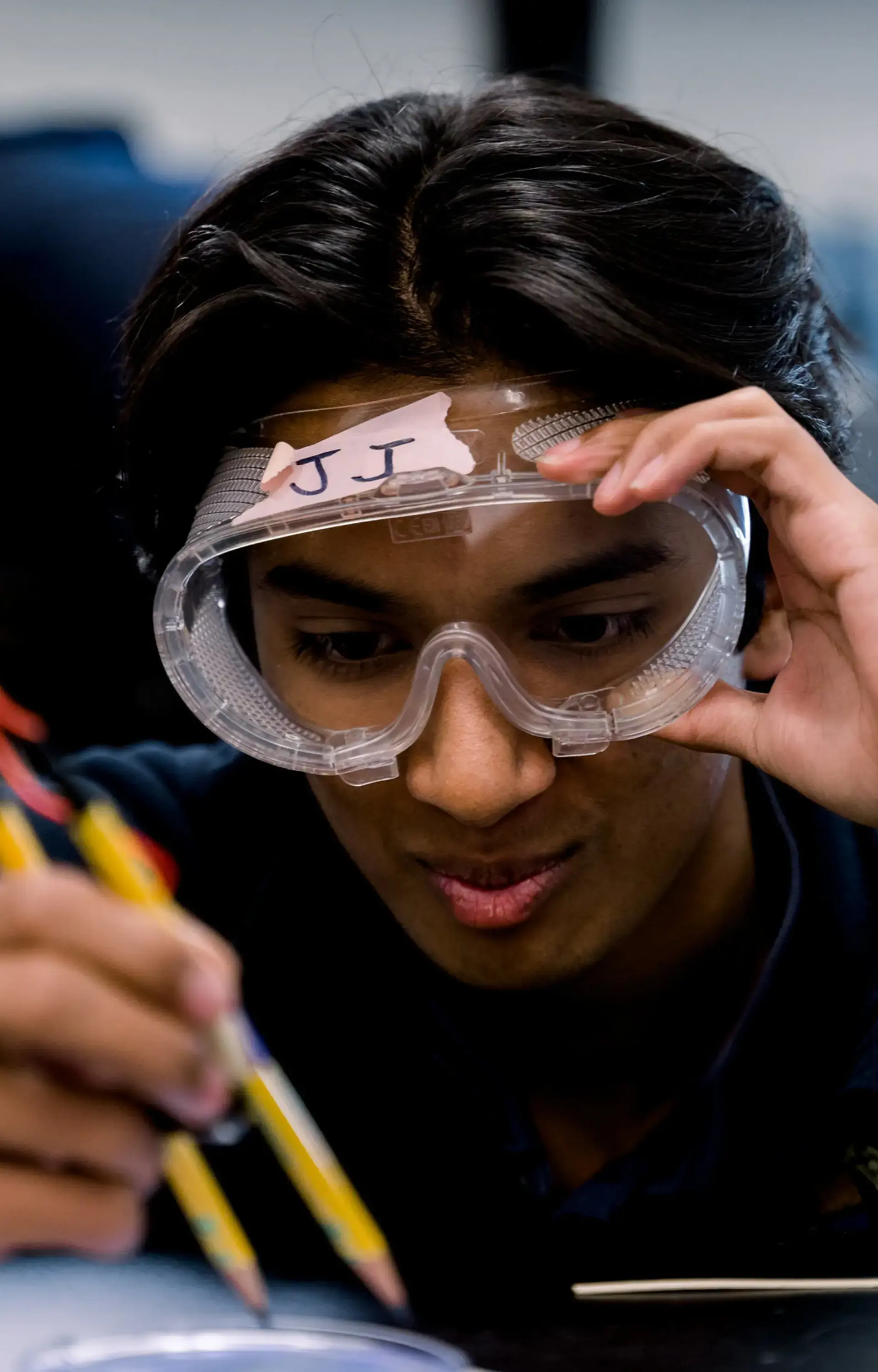
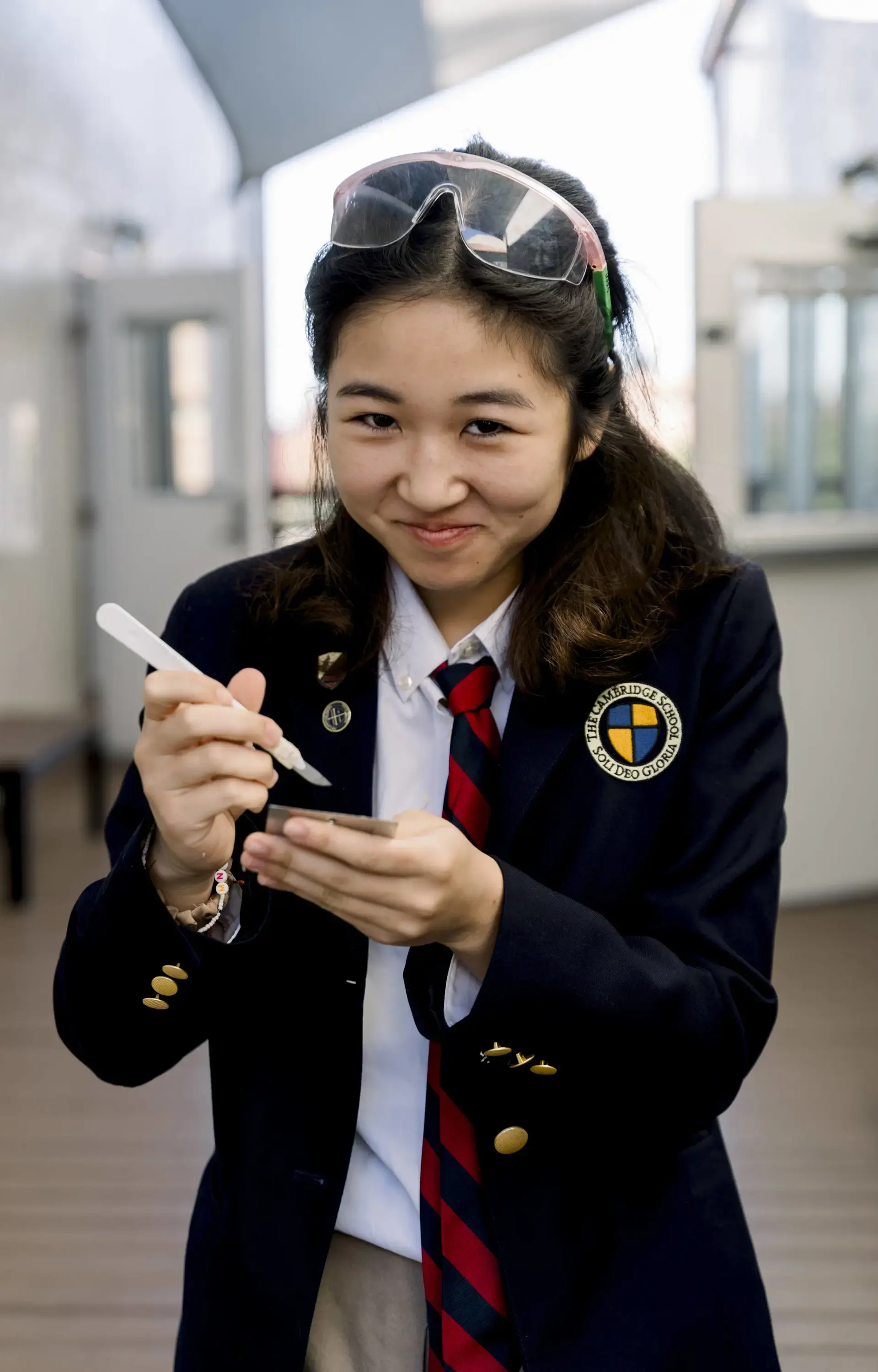
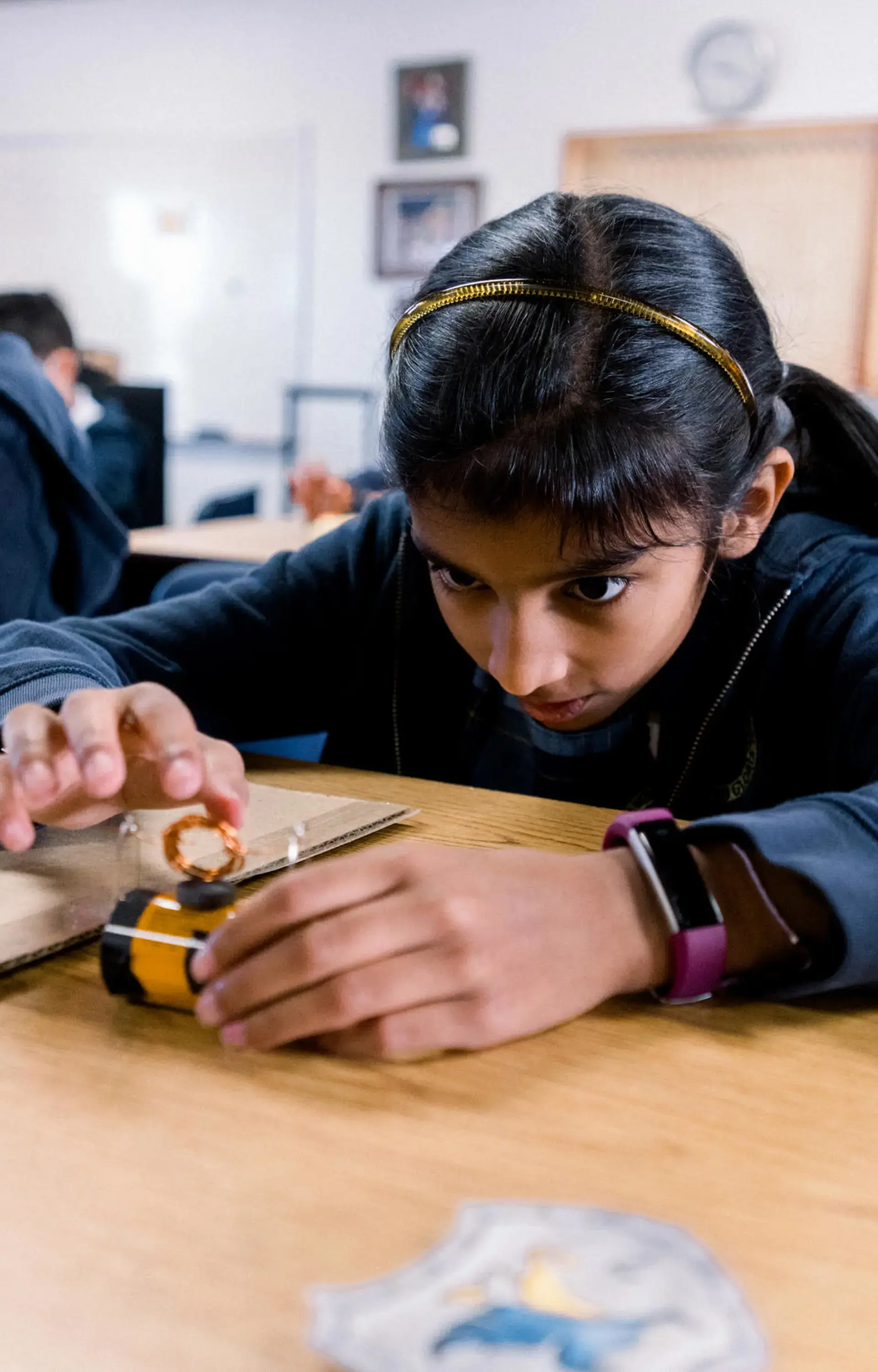
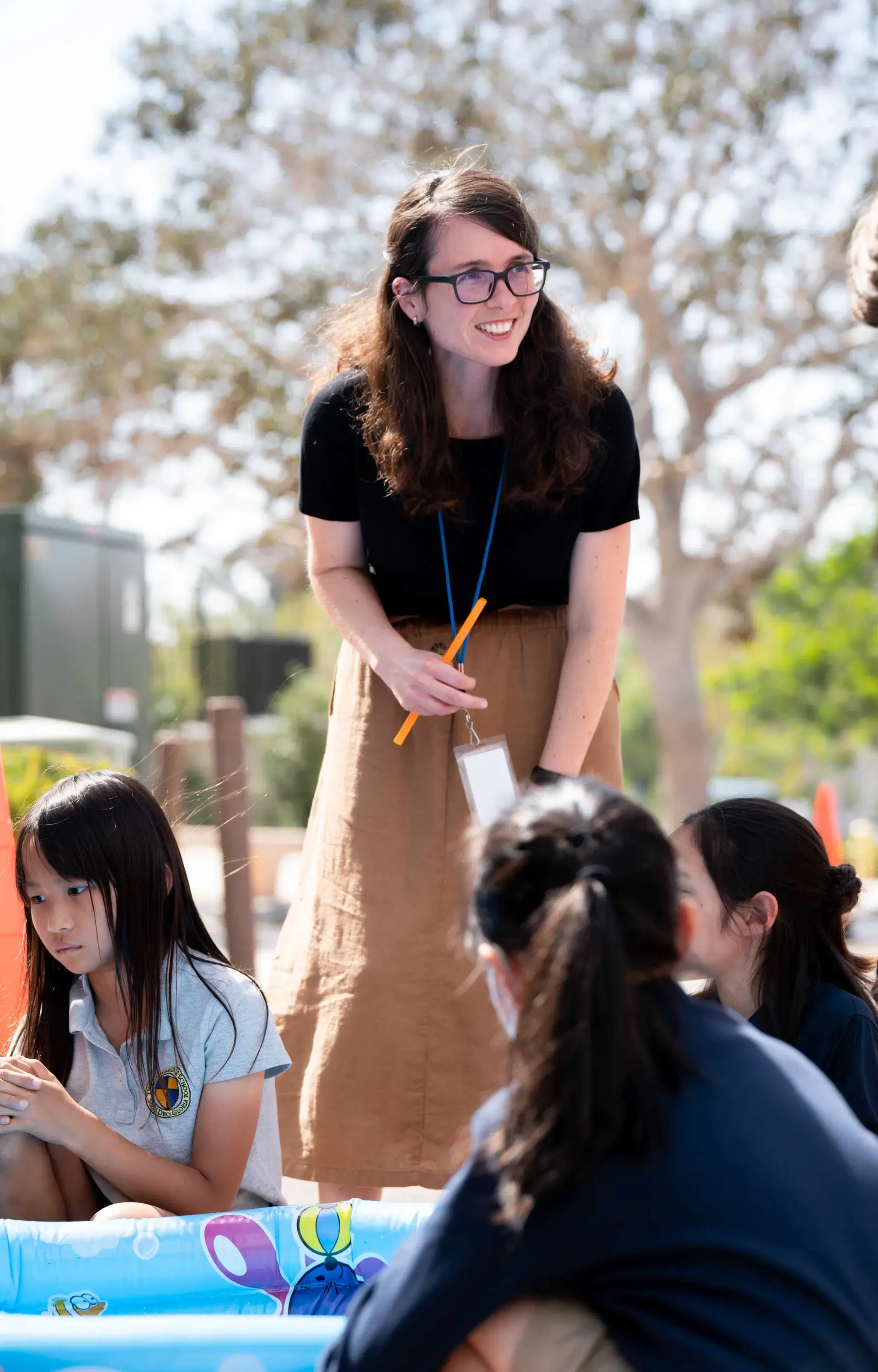
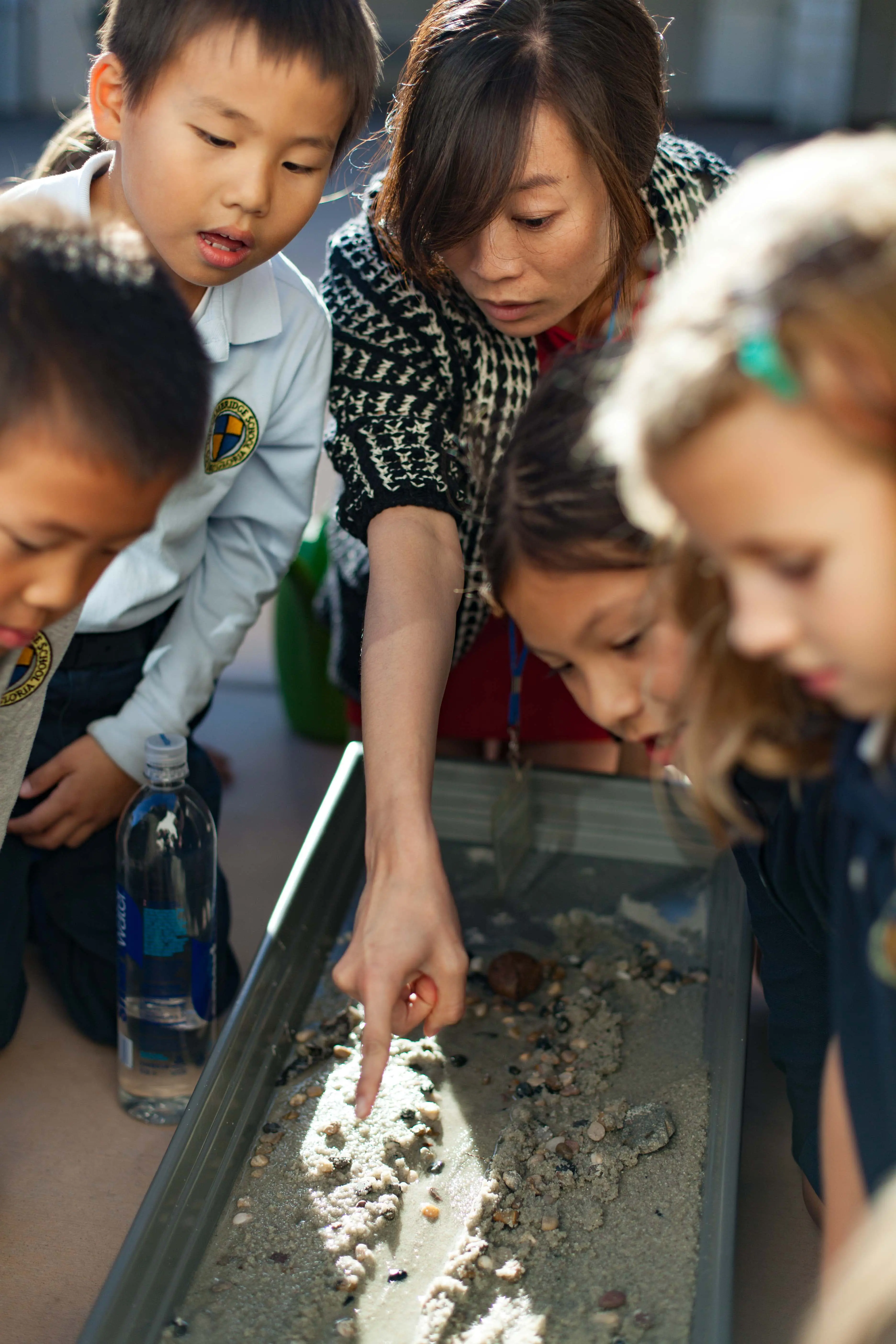
Science at Cambridge begins with wonder and leads to worship. Students are invited to explore the natural world with curiosity, precision, and reverence for the order embedded in creation. From grammar school experiments to upper school labs, our program cultivates scientific thinking rooted in observation, logic, and evidence—guided always by the conviction that all truth is God’s truth.
Embodied Learning
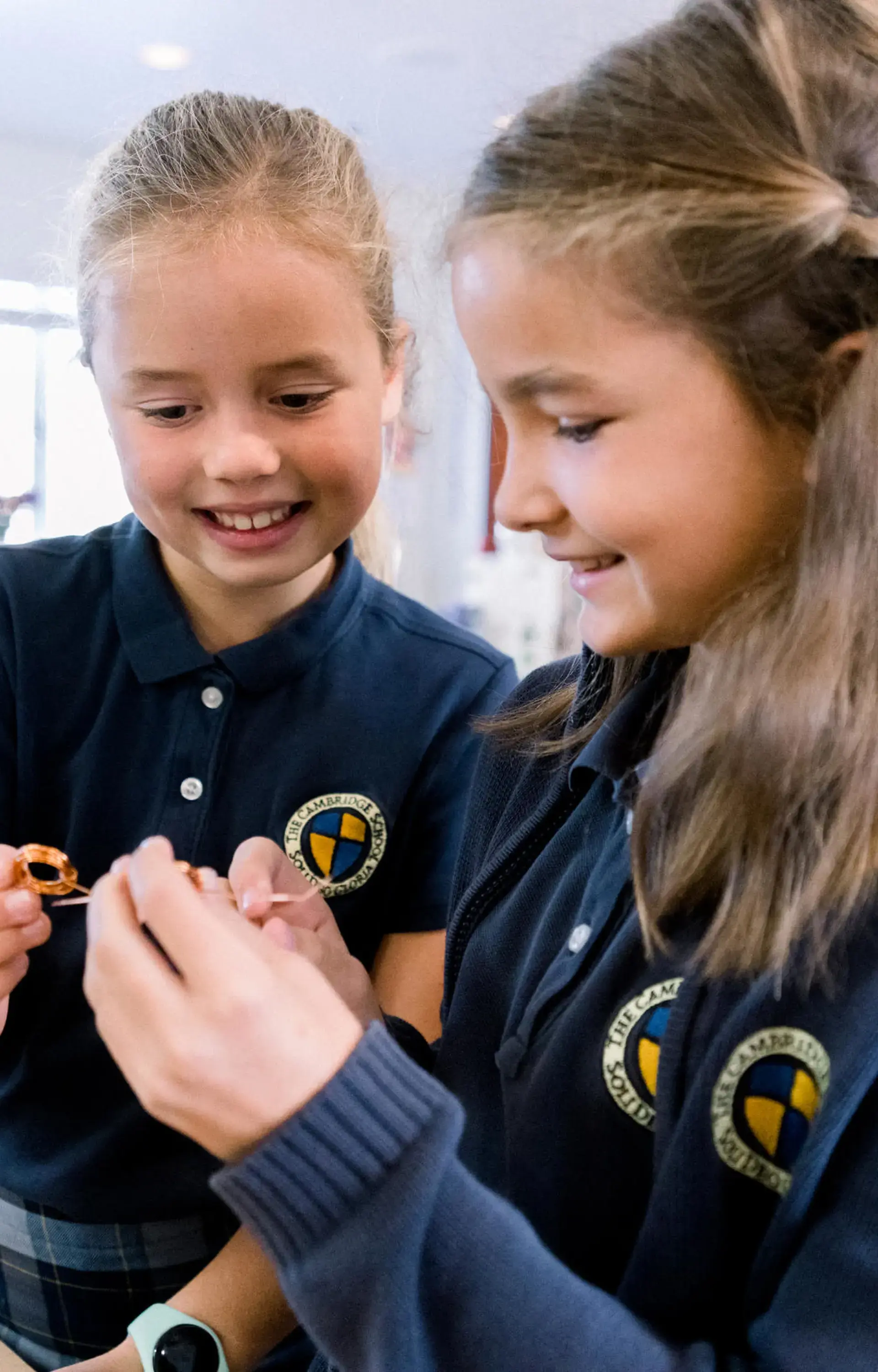
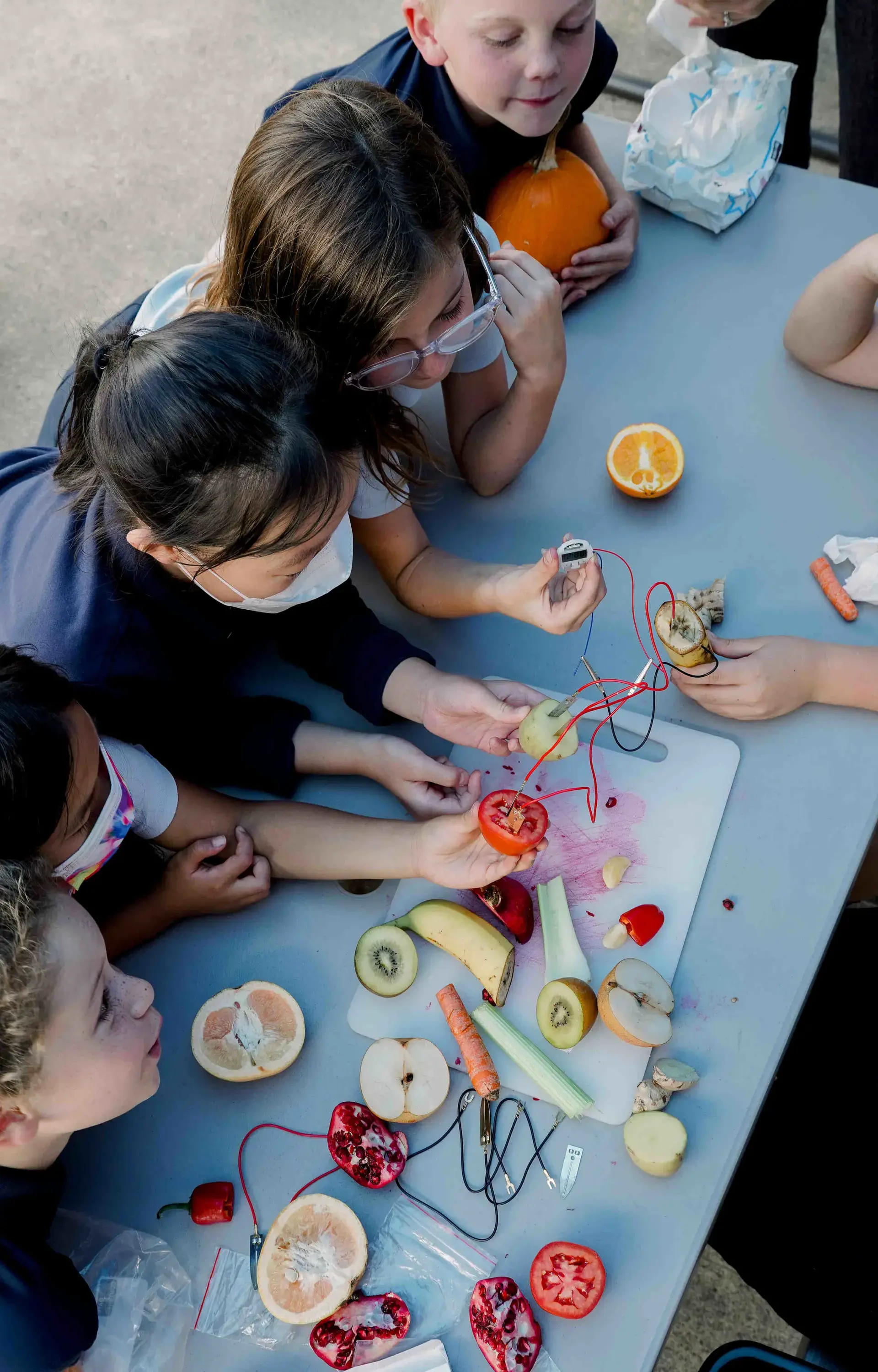
Through hands-on labs, multisensory lessons, and real-world applications, students experience science as a lived subject — one that forms habits of inquiry, not just facts.
Interdisciplinary Approach
The sciences are never isolated. Whether studying Archimedes during Greek history or astronomy alongside Dante, students discover the deep connections between knowledge and wonder.
Hear from our Science Chair about teaching virtue through the Sciences:
Students either see good virtue modeled in the life of scientists that we study or in other adults that they come across.
Order and Inquiry
We approach the sciences with confidence that creation is intelligible and ordered. Students are trained to ask thoughtful questions and seek clear, logical answers.
ANCIENTANDMODERN
Ancient
Classical education is not a trend. It is a tradition — a time-tested model that has formed many of history’s greatest thinkers. At The Cambridge School, students are grounded in the ideas, texts, and languages of the ancient world — not out of nostalgia, but because these works have endured. They study civilizations and thought from the Ancient Near East, Greece, and Rome as the foundation for understanding the world, themselves, and the pursuit of truth across time.
Chronological Foundations
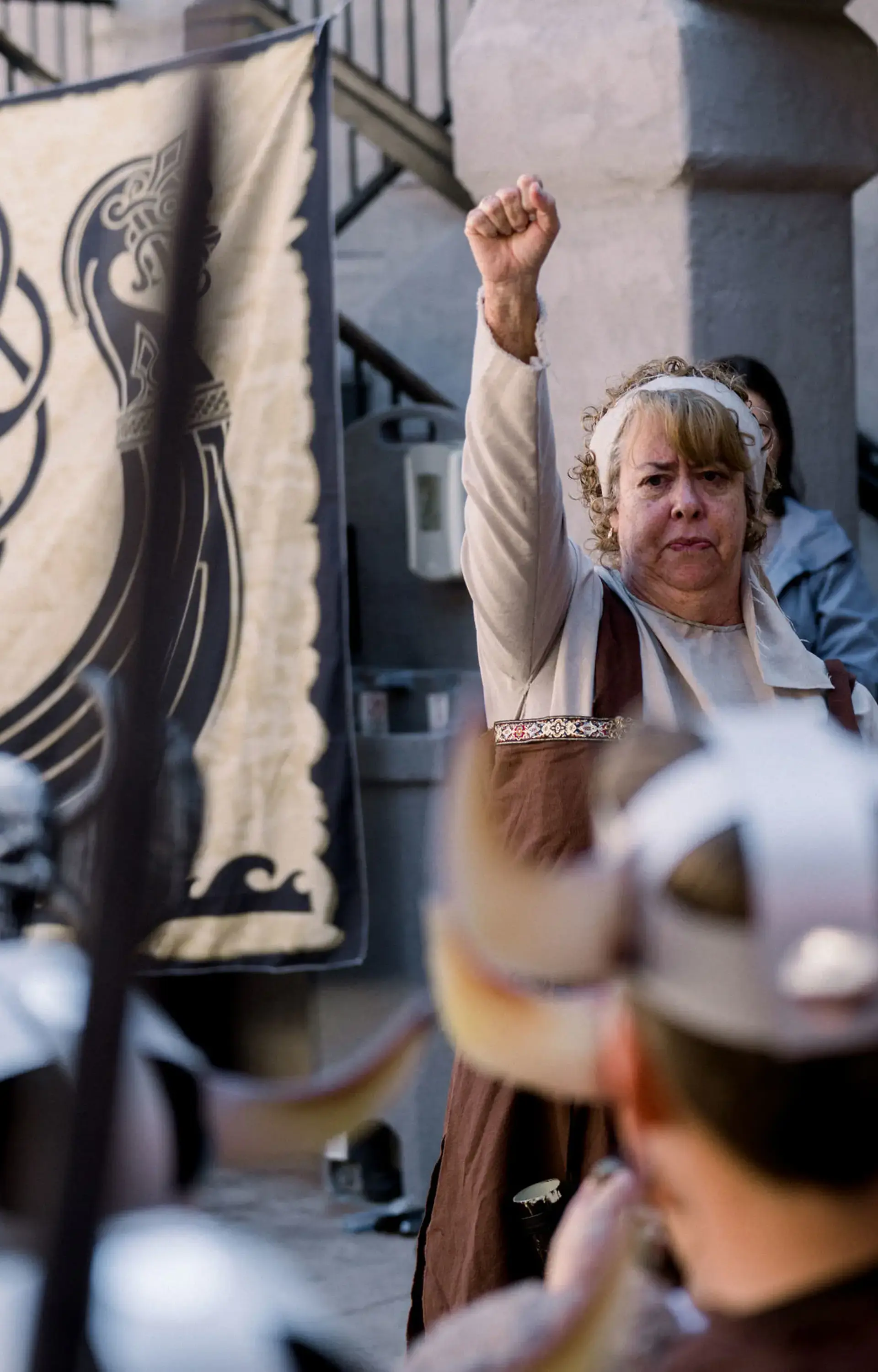
Students move through history from ancients to moderns, beginning with the earliest civilizations and tracing how their ideas continue to shape the present.
Language and Logic
Latin instruction in early years gives students access to the structure of thought, the roots of language, and the vocabulary of philosophy, science, and theology.
Hear from our Language Chair about Latin and Greek:
When we look to Latin and Greek, you have the foundation of Western thought and philosophy and literature.
Moral Imagination
Students read ancient narratives — epic, poetic, and sacred — that cultivate imagination, empathy, and a moral vision grounded in what is true, good, and beautiful.
Modern
A Cambridge education is not bound by the past — it is formed by it and brought to bear on the present. While grounded in classical pedagogy, our curriculum engages the complexity of modern life with clarity and conviction. Students analyze contemporary issues, read modern authors, and join present-day discourse with tools formed by ancient wisdom — evaluating ideas not by novelty, but by truth.
Modern Texts, Timeless Questions
Students engage modern literature, philosophy, and science, learning to ask enduring questions of current voices and to respond with wisdom and grace.
Discernment over Distraction
In a culture of distraction and reaction, students are taught to think slowly, speak carefully, and evaluate modern arguments with patience, coherence, and charity.
Faithful Presence
We prepare students not to escape the modern world, but to live faithfully within it — rooted in truth, equipped with discernment, and committed to serving the good of others.
ARTSANDATHLETICS
Arts
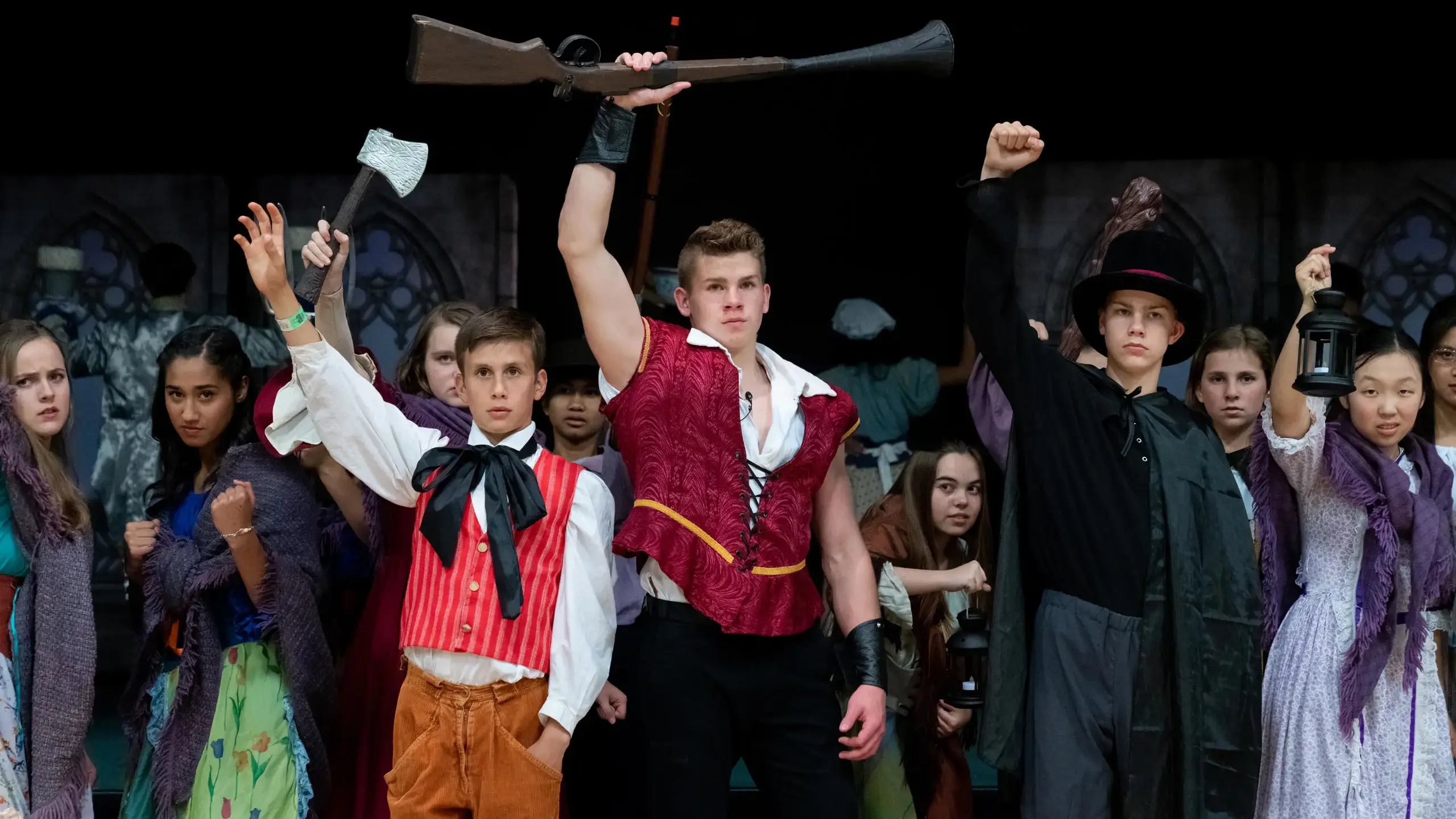
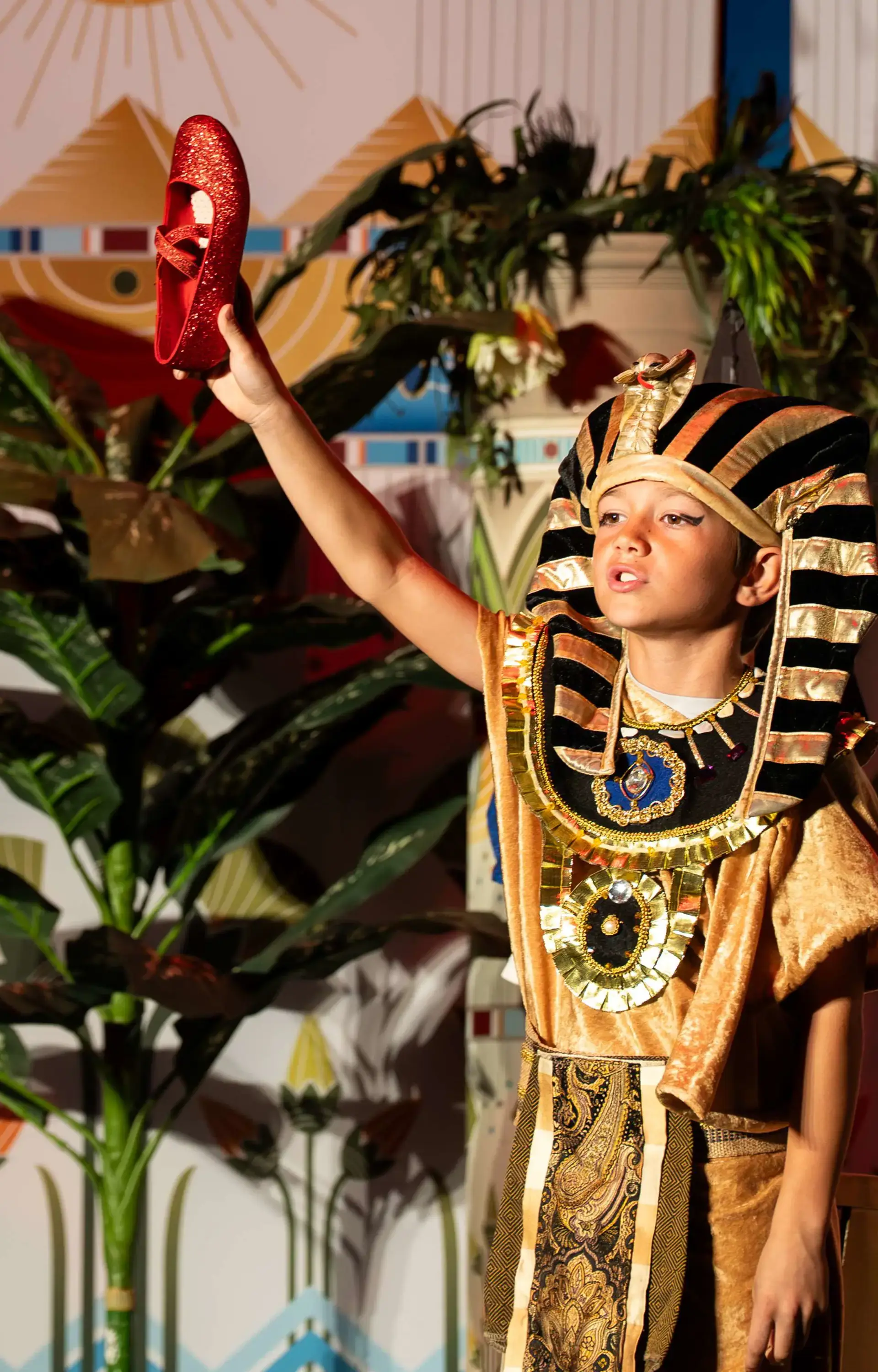
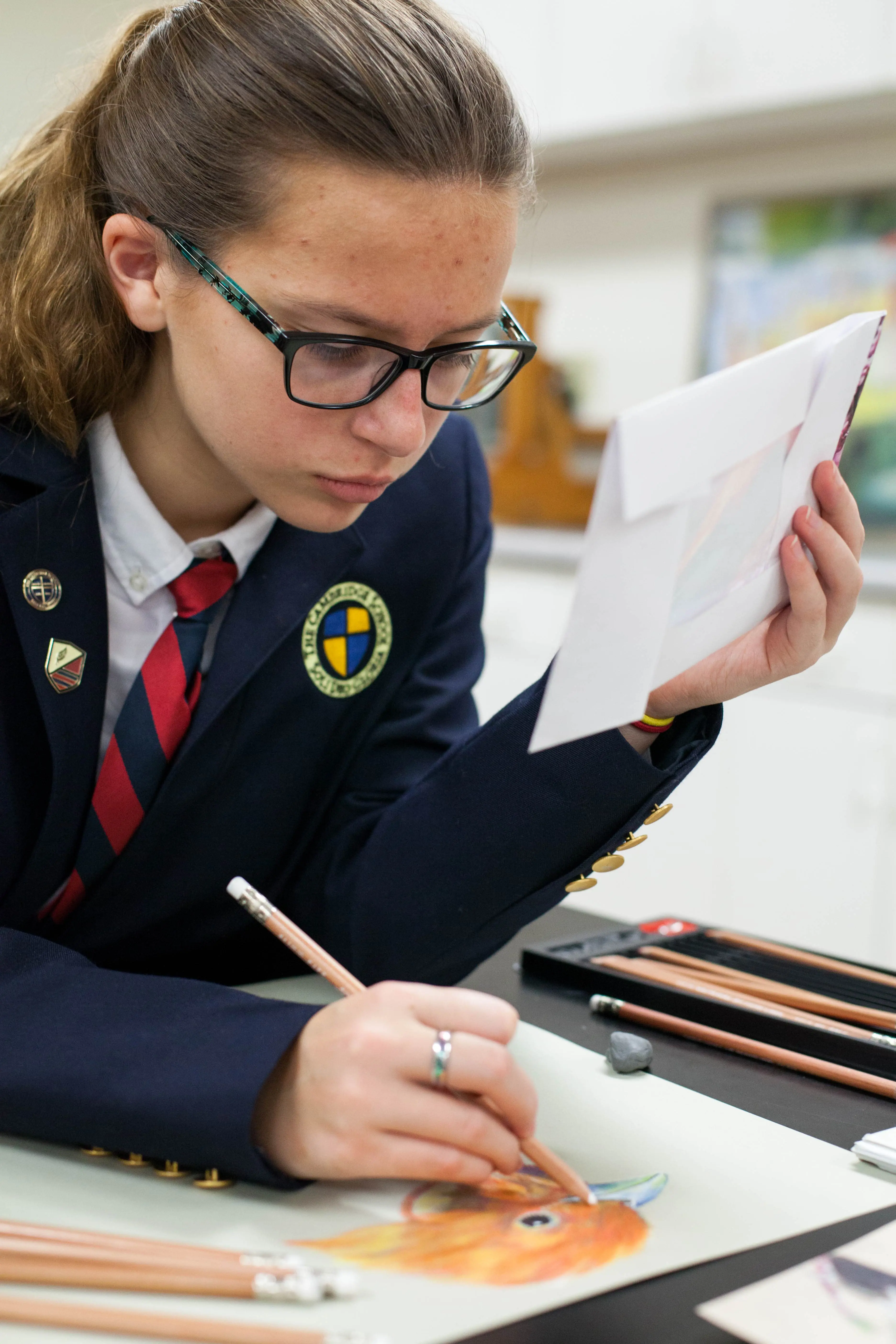
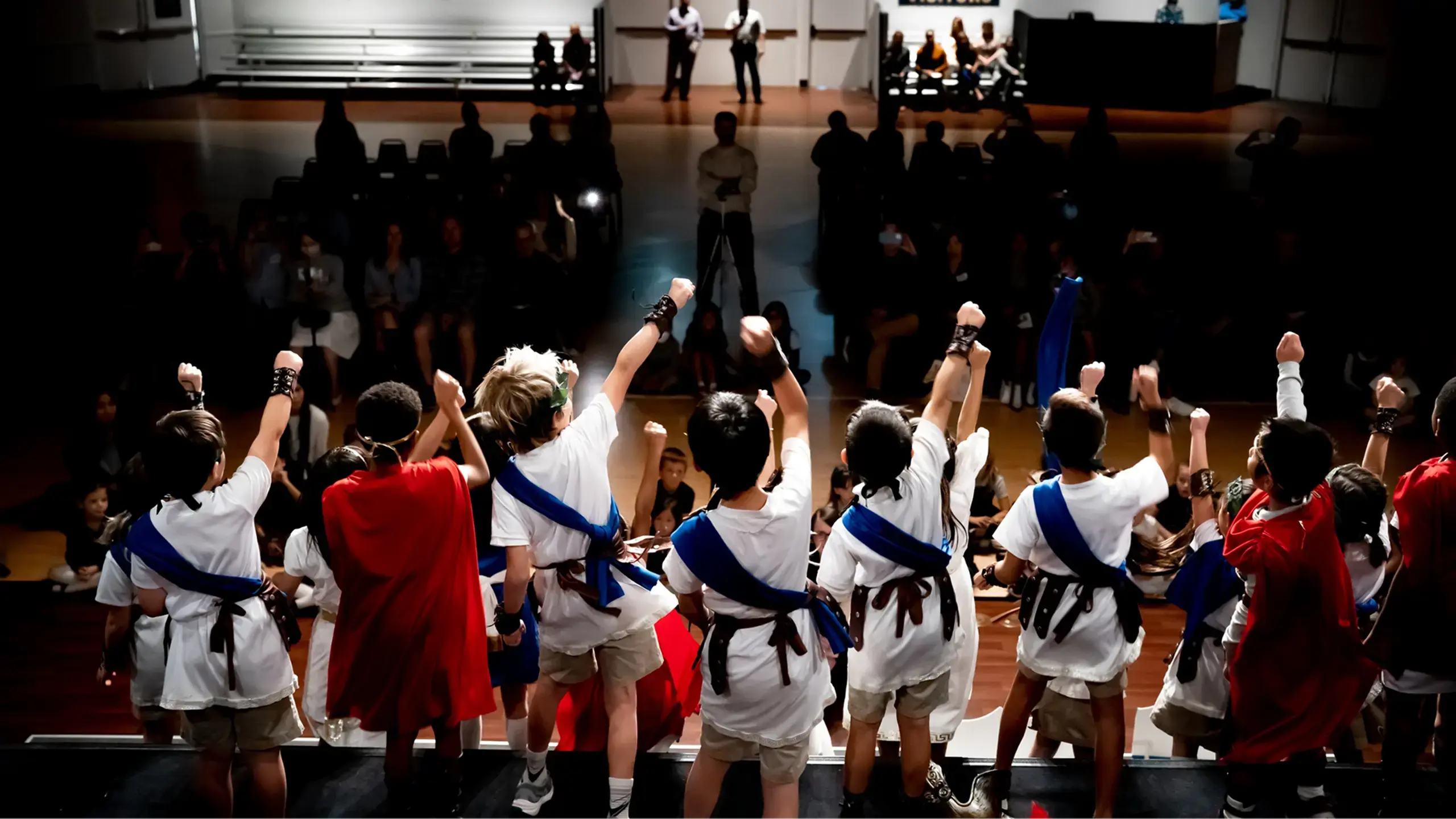
Through music, visual art, drama, and performance, students are trained to observe closely, create beautifully, and express clearly. From classroom plays and musicals to advanced studio work, students learn that the arts are not isolated from academics, but are extensions of it—shaping the imagination, sharpening attention, and reinforcing a love for truth, beauty, and goodness.
Integrated Expression
The arts are woven into the broader curriculum—students study architecture alongside geometry, compose responses to literature, and explore music through history and theology.
Performance and Presence
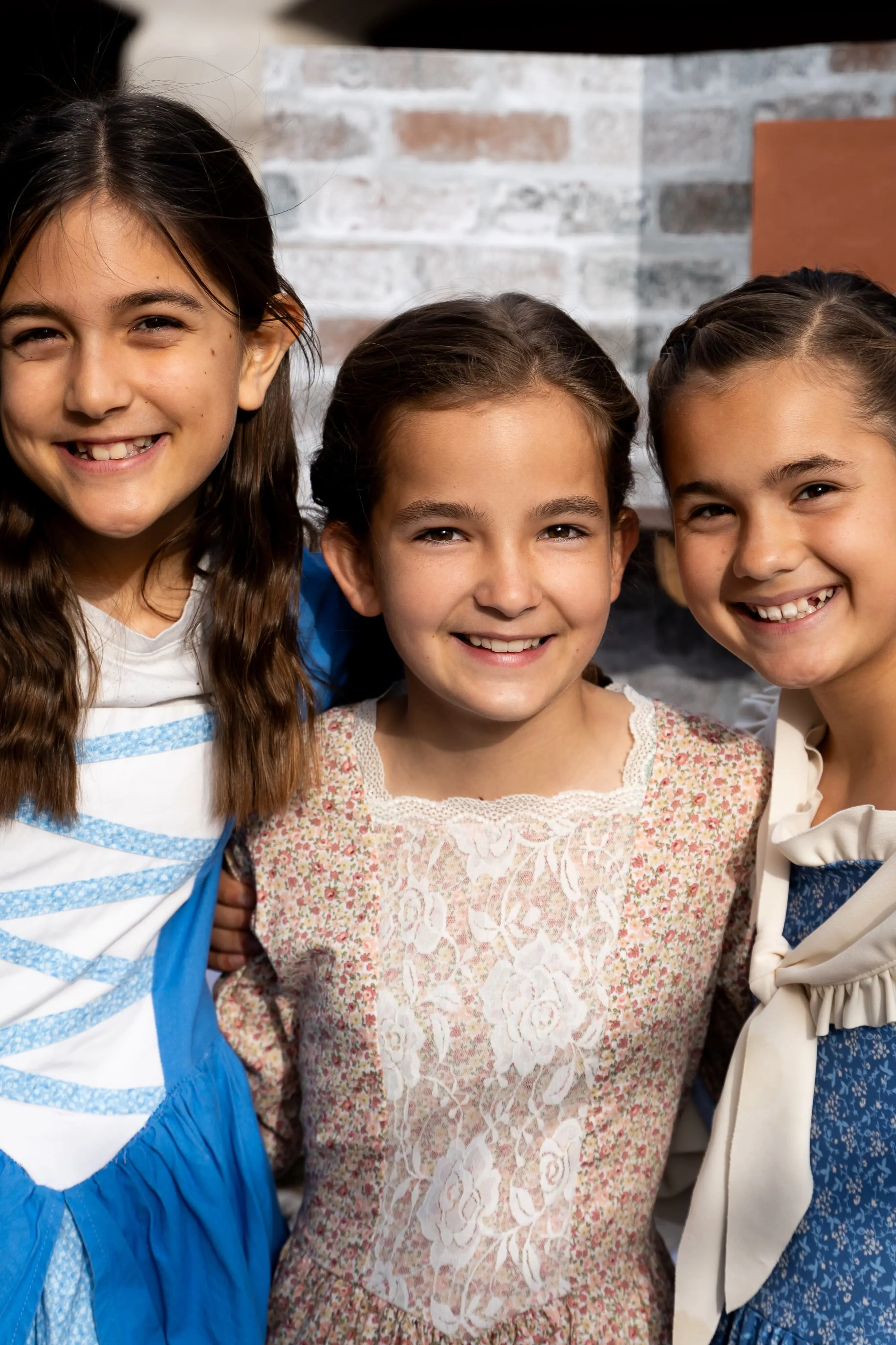
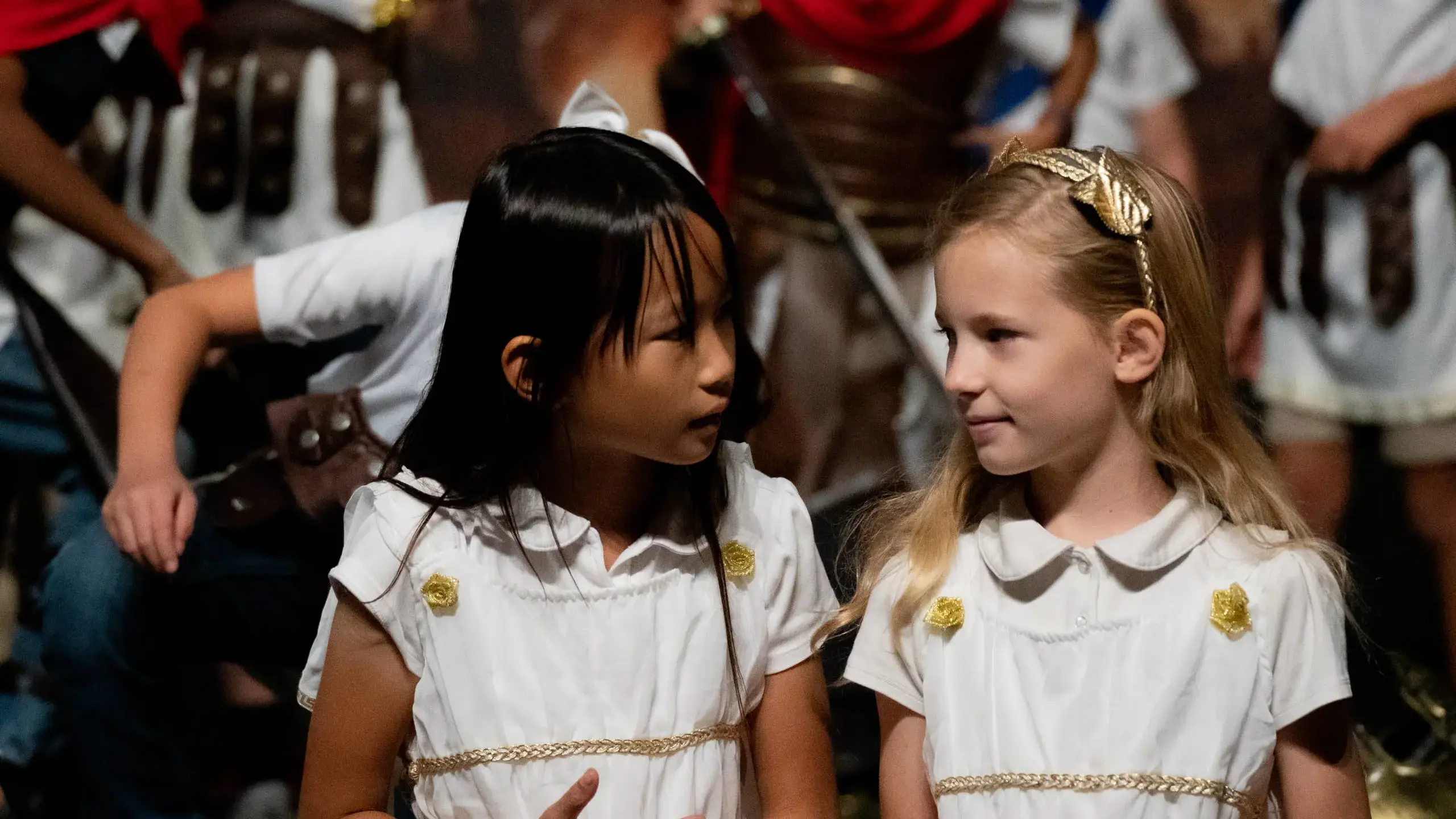
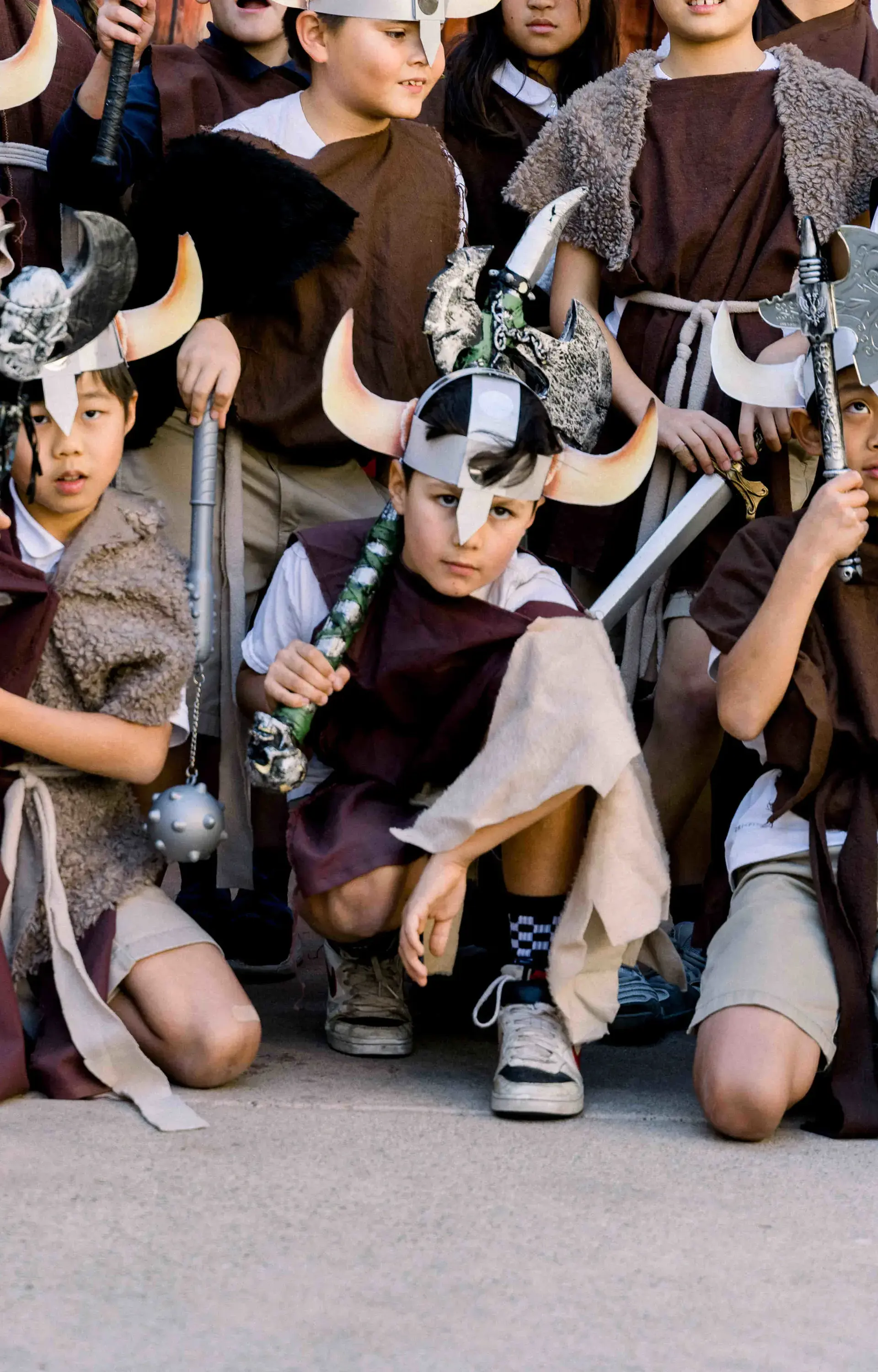
From classroom plays in Grammar School to Upper School productions, students learn to communicate thoughtfully and stand with confidence — developing poise, voice, and presence.
Formation Through Beauty
In practicing the arts, students are invited to love what is beautiful and to reflect the order and creativity of the One who made them.
Athletics
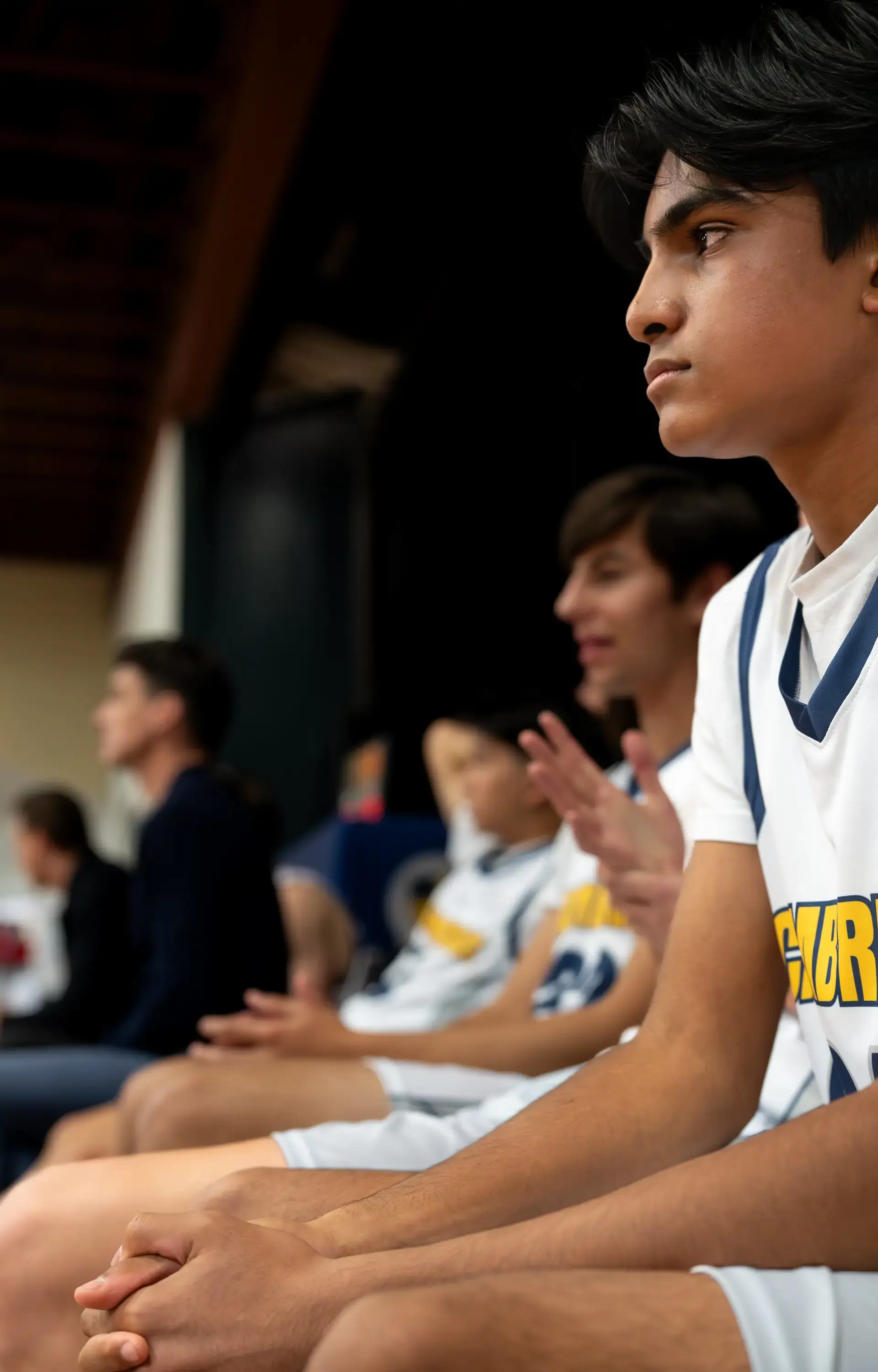
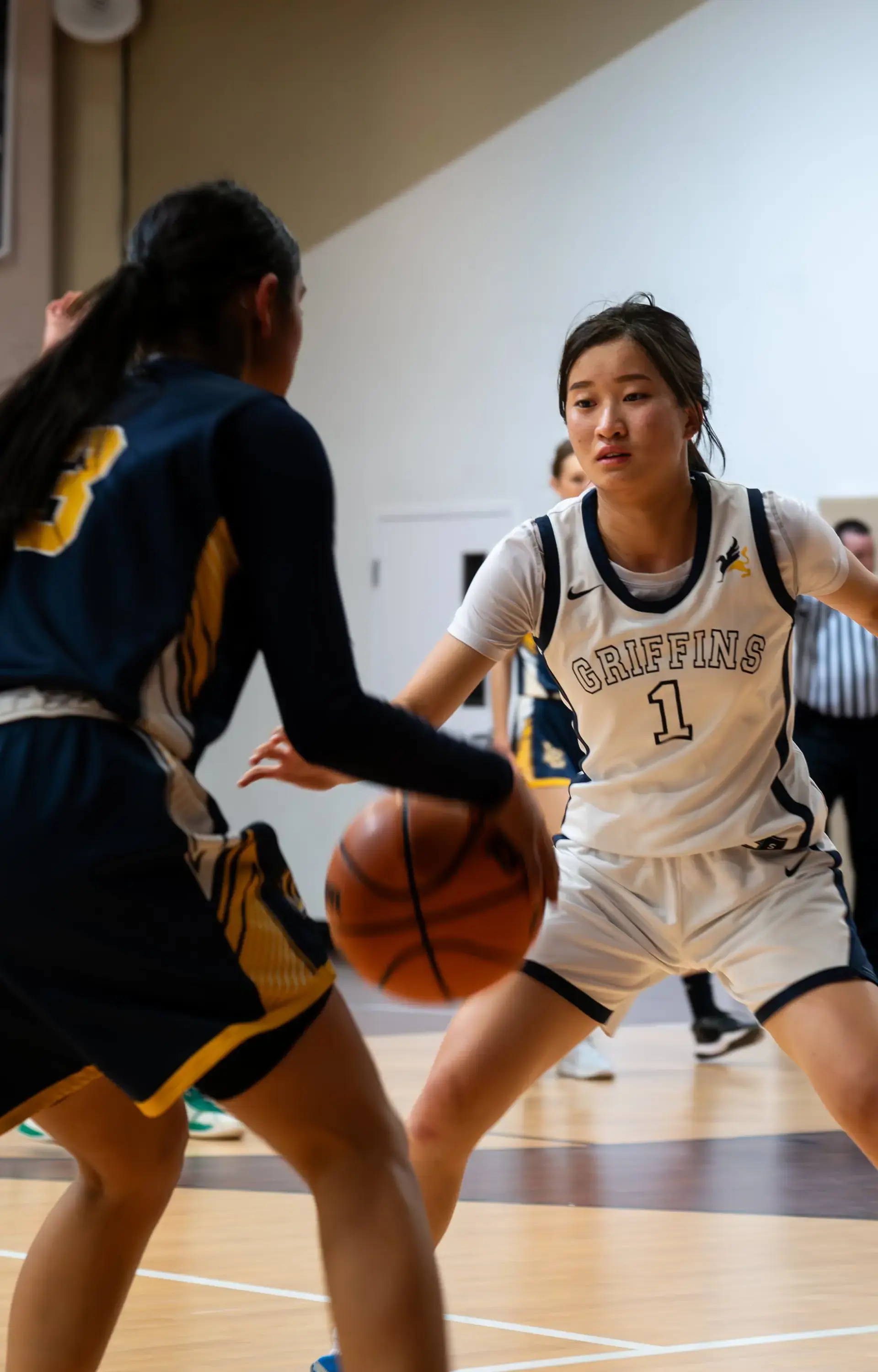
Athletics at Cambridge is not merely about competition — it is about formation. We view sports as a training ground for character, discipline, and perseverance. In a culture that prizes outcomes, we emphasize process: teamwork over self, humility in victory, grace in defeat. Athletics reinforces what we teach in the classroom — that learning happens through struggle, growth requires courage, and the body, like the mind, is a gift to steward.
Athletes as Students
Our athletes are students first — and better students because they compete. They learn to balance time, receive instruction, and work diligently toward shared goals.
Virtue in Motion
Through practices and games, students grow in fortitude, patience, and humility — virtues that echo far beyond the field.
A Place for All
Athletics is not reserved for a few. All students are invited to participate, learn, and grow — whether through team sports, fitness, or healthy competition.
COMMUNITYANDINDIVIDUAL
Community
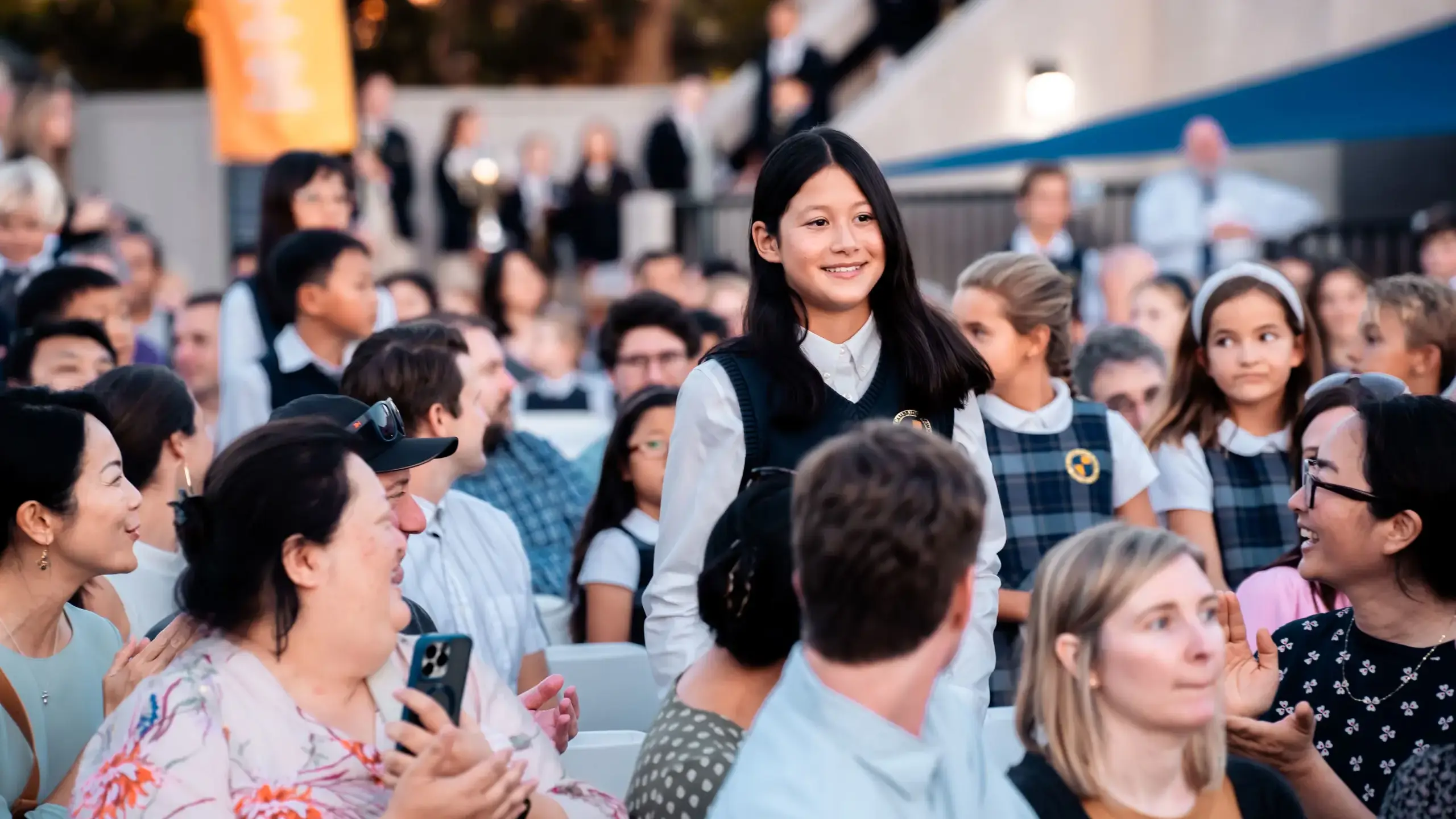
At Cambridge, students are formed in community — within classrooms, across grade levels, and among faculty who live out the same virtues they teach. Through shared rhythms, mentorship, and collaboration, students learn what it means to belong. They are invited into a culture of trust and accountability, where learning is not only intellectual, but relational, ordered toward fellowship, joy, and love of neighbor.
Shared Rhythms
Whether in House, Advisory, or class discussions, students experience habits of togetherness — learning that character is cultivated not only within, but among.
Faculty and Formation
Our teachers walk alongside students, modeling what it means to think well, love rightly, and live wisely within community.
Fellowship
We were made for relationship. Cambridge is a community in which lasting friendships are formed, burdens are shared, joys are celebrated, and families walk alongside one another in meaningful fellowship.
Individual
Each student at Cambridge is seen, known, and loved — not as a data point, but as a person made in the image of God. We attend to the development of each child’s intellect, affections, and calling. Our classrooms are small by design, allowing teachers to guide and challenge each student personally. We recognize that formation is not one-size-fits-all, and that each life is shaped by intentional, relational investment.
Personal Formation
We nurture the mind and soul of every student, helping them grow in confidence, conviction, and character through consistent, personal relationships.
Guided by Calling
From the earliest years through college counseling, we help students discern not just where they will go next, but who they are becoming and why it matters.
Delight in the Student
We believe education should be relational and joyful. Our teachers delight in their students, calling forth their gifts and guiding them with love and wisdom.
PURSUING
WISDOM
AND
VIRTUE
Not Just Informed, But Well-Formed
What we have been called to do in community is very special and uncommon nowadays though it once was the dominant and most common form of education throughout history.
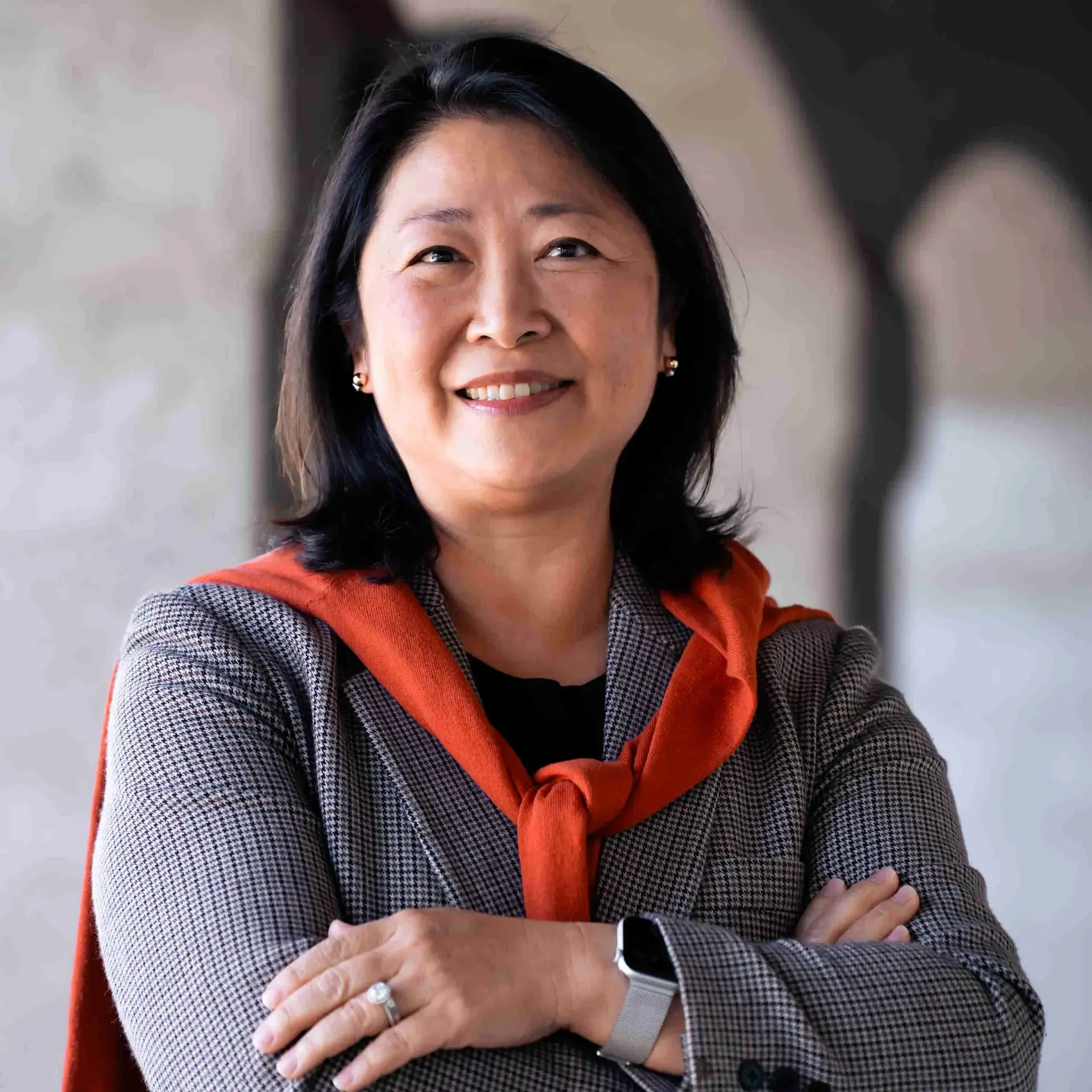
“Providing our students with a “both/and” education that is not merely informative, but seeks to be formative – both intellectually AND spiritually – is no small feat in our day and age.”
JEAN KIM, CLOSING CONVOCATION 2024
We swim squarely against the tide of a purely pragmatic education that only sees students as one-dimensional, economic beings, and therefore seeks only to prepare students for college and careers instead of seeing them as multifaceted, complex and wonderful image-bearers of God whose JK-12 education should be preparing them to be fully human and flourish in ALL areas of life for the glory of God, good of neighbor and society, and for their own delight.
Obviously, flourishing for all of life is too big a job for just one leg of the proverbial three-legged stool of home, school and church, but we have a fighting chance of sending forth flourishing young adults with a thoughtful, intelligent faith if all three legs are working in concert to form virtuous habits of mind and soul that will help our students to learn to think well, love rightly and live wisely. Without all legs of the stool doing their part actively and robustly, no school, no matter how good, can compensate for what’s missing at home or church in terms of moral and spiritual formation so we will continue to do our part as a school and entreat you parents to continue doing your part at home and being part of a church that does its part as well while trusting that God is the one who will bring the growth and maturity that only He can bring.
One beautiful thing about a classical Christian Education is that, beneath the surface demands of school with its tests and assignments is an underlying invitation – an invitation to community and relationships, to big ideas and enduring questions, an invitation to great conversations with great minds past and present, an invitation to a thoughtful, intelligent faith and an invitation to grow in wisdom and virtue through diligent effort and grace, through failures and successes, and to get a little closer to what the westminster catechism says is the chief end of man: to know god and enjoy him forever by studying both his word and his world.
Why Cambridge?
We want to operate here at Cambridge on the principle of the harvest, that what we sow today, we will reap long into the future.
Never
Either/Or
Always
Both/And
Important Notice
Lorem ipsum dolor sit amet, consectetur adipiscing elit. Maecenas tellus risus, congue et lorem sed, eleifend sagittis ex. Proin ac quam ac turpis fringilla tristique. Morbi et dapibus nibh. Vestibulum tincidunt tellus in velit ultrices suscipit. Maecenas nec ipsum purus. Cras ac tincidunt nulla. Phasellus tempus tortor ac orci facilisis, eu pulvinar ex convallis. Sed in posuere massa. Vestibulum justo diam, suscipit ut auctor non, ultricies quis risus. In purus nisi, fringilla quis arcu nec, iaculis facilisis enim. Integer fringilla vitae purus et bibendum. Fusce cursus nisl felis, ut dapibus odio pellentesque non.
Great Works
The foundational texts, ideas, and artworks that best express truth, goodness, and beauty; often drawn from classical, biblical, and enduring formative traditions.
Great Works
The foundational texts, ideas, and artworks that best express truth, goodness, and beauty; often drawn from classical, biblical, and enduring formative traditions.

Classical Pedagogy
An approach to teaching grounded in the classical tradition, emphasizing the cultivation of virtue and wisdom through structured learning.
“Providing our students with a “both/and” education that is not merely informative, but seeks to be formative – both intellectually AND spiritually – is no small feat in our day and age.”